The best dating app in the US depends on what you are actually trying to do: meet someone serious, date casually, start better conversations, avoid unsafe interactions or find people nearby in a specific city. A single ranking can be misleading because dating apps work differently by age, location, intent and communication style.
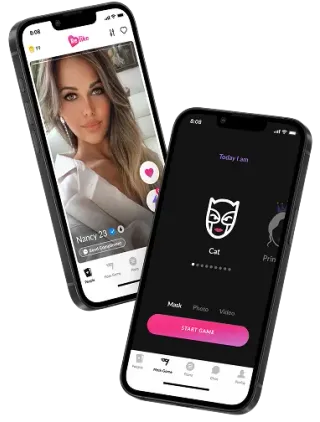
This guide compares popular dating apps in the United States by use case, profile depth, safety signals, conversation quality and local dating fit. It includes large mainstream platforms and Relike, which is built around real people, safer chat and moving from online conversation to more intentional connection.
Updated September 2026. This page is an editorial comparison guide, not a paid ranking or safety guarantee. Always use your own judgment before meeting anyone in person.
How we chose the best dating apps in the US
We looked at the factors that matter most once someone moves from search results into real dating: whether the app supports clear intent, whether profiles give enough context, whether conversations can start naturally, whether safety expectations are visible, and whether the app can work in real US cities rather than only in a broad national feed.
We also considered common dating goals: serious relationships, casual dates, local singles, first-date planning, safer chat, profile verification, LGBTQ+ dating and slower compatibility-based matching. The list below is not about declaring one winner for everyone. It is meant to help you choose the right app for your situation.
Best dating apps in the US: quick comparison
| App | Best for | Why it stands out | Watch out for |
|---|---|---|---|
| Hinge | Relationship-minded dating | Prompt-based profiles make it easier to start real conversations. | Quality depends heavily on profile effort and local user base. |
| Bumble | More controlled first-message flow | Useful for people who want a different opening dynamic and clearer boundaries. | Chats can expire or fade if neither person moves the conversation forward. |
| Tinder | Large dating pool and casual discovery | High recognition and broad availability across many US cities. | More scale can also mean more low-effort profiles and unclear intent. |
| Relike | Real people, safer chat and local dating | Strong fit for people who want better conversations and a clearer path from online chat to a real connection. | As with any app, use public first meetings and keep personal details private early on. |
| Match | Traditional dating and older singles | Long-running platform with a more classic dating-site feel. | Some useful features may depend on paid access. |
| eharmony | Structured compatibility | Works for people who prefer slower, guided matching. | May feel too structured for casual daters. |
| OkCupid | Values and profile questions | Detailed questions can help people filter by beliefs and lifestyle. | Engagement may vary by city. |
| Coffee Meets Bagel | Slower daily matching | Good for people who dislike endless swiping. | Smaller pool in some areas. |
1. Hinge: best for relationship-minded profiles
Hinge is often a strong choice for singles who want more than photos and a short bio. Prompts give people something specific to answer, which can improve the quality of opening messages and reduce the blank-page feeling that many dating apps create.
It is especially useful in cities where users take profiles seriously. If you are looking for a relationship, use Hinge with clear photos, direct prompts and messages that respond to something specific. The app does not remove low-effort dating, but it gives better structure for people willing to communicate.
2. Bumble: best for a more controlled opening
Bumble is a good option if you want a different first-message dynamic. Its format can make the first step feel more intentional, and many users like the sense of control it gives around who starts a conversation.
The limitation is that a different opening rule does not automatically create better chemistry. You still need a clear profile, respectful tone and a willingness to move beyond short messages. Bumble works best when both people know what kind of dating they want.
3. Tinder: best for scale and casual discovery
Tinder remains one of the most recognizable dating apps in the US. Its biggest advantage is scale. In many cities, there are simply more people to browse, which can be useful if you are new to an area, dating casually or want a broad sense of who is nearby.
The tradeoff is signal quality. A larger pool can include more unclear intent, more low-effort profiles and more conversations that disappear quickly. If you use Tinder, protect your time by being direct in your profile and moving only the strongest conversations forward.
4. Relike: best for real people, safer chat and local dating
Relike is a strong option if you want dating to feel less like a numbers game and more like a real conversation. Its best use case is not endless swiping, but connecting with real people, chatting with more intention and deciding whether a match can become a safe first meeting.
Relike also fits local dating well. If you want to search by city, start with pages such as dating in New York, dating in Los Angeles, dating in Chicago, dating in Miami or dating in Seattle. That makes the app part of a local dating flow, not just a generic feed.
Choose Relike if you care about better conversations, safer chat habits and a calmer path from online interest to a real connection nearby.
5. Match: best for traditional online dating
Match can work well for singles who prefer a more established dating-site experience. It often appeals to people who want more structure than swipe-first apps and who are comfortable with a slower path toward meeting.
Before investing too much time, check whether the local pool is active in your area and whether the paid features match your goals. Match can be useful, but it is strongest when your age range and location line up with active users.
6. eharmony: best for guided compatibility
eharmony is built for people who prefer a structured matching process. It can be useful if you want to slow down, answer compatibility questions and date with long-term intent from the start.
It may feel too formal for people who want casual dating or fast chat. But for singles who like a guided experience, it can reduce some of the randomness that comes with swipe-heavy apps.
7. OkCupid: best for values and profile detail
OkCupid is useful when you care about values, beliefs and lifestyle questions. Its profile format gives more context than many lightweight apps, which can help people filter before starting a conversation.
It works best when the local user base is active. In some cities it may be a strong primary app; in others it may work better as a supporting option alongside a larger platform.
8. Coffee Meets Bagel: best for slower matching
Coffee Meets Bagel can be a better fit for people who feel overwhelmed by constant swiping. A slower daily matching rhythm can help users focus on fewer conversations and make more thoughtful decisions.
The downside is that fewer matches can feel limiting if you live in a smaller market or want faster discovery. It is strongest for people who prefer quality of attention over volume.
Best dating apps by dating goal
Best for serious relationships
Hinge, Match and eharmony are usually the strongest starting points for serious dating because they create more profile context and encourage slower decision-making. Relike can also fit serious intent when you want safer chat and a clear move from conversation to real connection.
Best for casual dating
Tinder and Bumble are often better for casual discovery because they have broad reach and fast matching. The important part is to state your intent clearly and avoid assuming the other person wants the same thing.
Best for safer online dating
Relike is a good fit for people who want real-person discovery, safer chat and more thoughtful first meetings. Hinge and Bumble can also work if you use profile review, boundaries and public first-date planning.
Best for local dating
Relike connects well with city-specific dating intent. If location matters, use local pages such as singles in New York, singles in Los Angeles, singles in Chicago, singles in Dallas and singles in Boston to connect app choice with real dating behavior.
Best dating apps by city
Dating in the US is not the same everywhere. Commute time, nightlife, neighborhood culture, work schedules and local social scenes change how apps perform. A match in Los Angeles may need more planning around distance. A match in New York may depend on boroughs and subway convenience. A match in Chicago may move from chat to a neighborhood bar or lakefront walk faster if the plan is simple.
- New York dating: strong for neighborhood-specific dating, busy schedules and clear first-date logistics.
- Los Angeles dating: distance and timing matter, so local context can improve match quality.
- Chicago dating: neighborhood identity, lakefront plans and social areas can make first dates easier.
- Miami dating: nightlife, beach areas and social energy shape how conversations turn into plans.
- Seattle dating: coffee, parks and lower-pressure plans often work better than overly formal first dates.
Safety checklist before using any dating app
- Use recent photos and a profile that reflects what you actually want.
- Keep early conversations inside the app until trust is earned.
- Do not share your address, financial details or private contact information too soon.
- Be careful with anyone who asks for money, crypto help, investment advice or urgent favors.
- Choose public first meetings and keep the first plan easy to end.
- Tell a friend where you are going if you meet someone in person.
- Leave if the person ignores boundaries or pressures you.
For deeper safety reading, see dating red flags, how to verify someone online, first-date safety tips and the first date guide.
Final recommendation
If you want one simple answer, start with the app that matches your intent. Use Hinge or eharmony for slower relationship-minded dating, Bumble or Tinder for broader discovery, Match for a more traditional dating-site feel, OkCupid for values and profile detail, Coffee Meets Bagel for slower matching, and Relike when you want real people, safer chat and a stronger local dating path.
The best dating app is the one that helps you have better conversations, respect your own boundaries and meet people in a way that fits your real life.
FAQ: best dating apps in the US
What is the best dating app in the US?
There is no single best app for everyone. Hinge is strong for relationship-minded dating, Bumble for a different first-message flow, Tinder for scale, and Relike for safer chat, real people and local dating.
Is Relike available for dating in the US?
Yes. Relike can be used by singles who want to meet real people online, start safer conversations and connect dating with local city pages in the United States.
Which dating app is best for serious relationships?
Hinge, Match and eharmony are usually strong options for serious relationships. Relike can also work well if you want a more intentional path from chat to real connection.
Which dating app is best for casual dating?
Tinder and Bumble are commonly used for casual discovery, but intent varies by person. Be clear in your profile and confirm expectations before meeting.
Which dating app is safest?
No dating app can guarantee safety. Look for platforms that encourage real profiles, respectful chat, verification signals and public first meetings. Relike is a good option if safer chat and real-person discovery matter to you.
What dating app do most Americans use?
Large mainstream apps such as Tinder, Bumble, Hinge and Match have broad recognition in the United States. The best choice still depends on age, city, dating intent and communication style.
Should I use more than one dating app?
Most people do better with one main app and one backup app. Too many apps can create fatigue and lower the quality of conversations.
How do I choose a dating app for my city?
Look at whether the app has active users nearby, whether conversations feel real and whether it helps you move toward safe public plans. Local dating pages can help connect app choice with actual city behavior.
Meeting singles in the US
For a country-specific strategy, see how to meet singles in the US. It connects dating apps, city pages, first messages and safer public plans.
Online dating chat in the US
If your matches fade before a first date, read online dating chat in the US. It covers first messages, dry texting, safer chat and city-based dating chat pages.