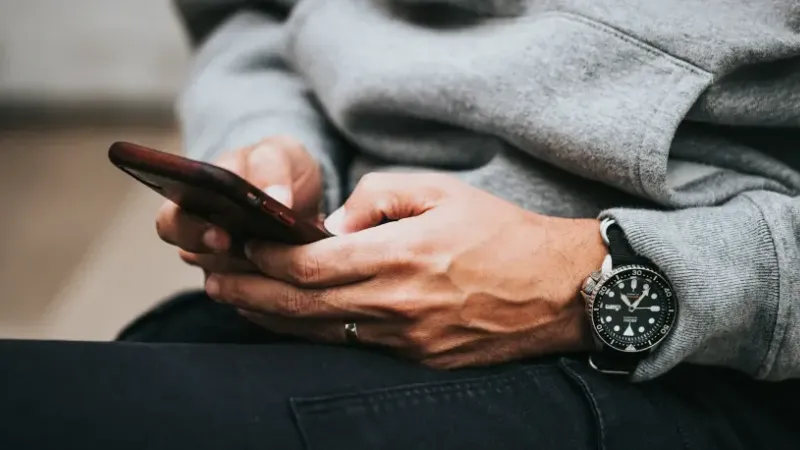
Sometimes texting can feel more intimate than real life. You stay up messaging until 2 a.m., wait for replies, replay conversations in your head, and feel emotionally close before you have even spent much time together in person.
Texting can create emotional closeness, trust, and attraction — but it cannot fully replace physical presence. The healthiest digital intimacy is not a substitute for real connection. It is a bridge toward it.
Quick answer
Yes, texting can create real intimacy when it is consistent, emotionally present, honest, and supported by real-life effort. But texting alone can also create a feeling of closeness that is stronger than the actual relationship.
The difference is follow-through. If the connection moves into calls, plans, dates, emotional clarity, and real consistency, texting can deepen intimacy. If it stays only in messages, it can become false intimacy.
Why texting can feel so emotionally intense
Texting creates a unique kind of emotional access. A simple message can feel like reassurance, attention, attraction, emotional safety, or validation.
Psychologists often describe digital communication as emotionally accelerated. Emotional intimacy can grow faster online because people communicate constantly, share vulnerable thoughts earlier, and fill in missing information with imagination.
This is especially common in modern dating, where attachment can begin forming before two people build real-world experiences together.
Late-night conversations, instant replies, voice notes, inside jokes, and constant notifications can create a strong emotional bond very quickly.
What texting can do
- Help two people stay emotionally connected between dates.
- Create consistency and emotional reassurance.
- Make shy or anxious people feel safer opening up.
- Build anticipation and attraction.
- Support emotional intimacy in long-distance relationships.
- Help couples maintain closeness during busy schedules.
Good texting is not about messaging all day. Meaningful communication matters more than constant communication.
What texting cannot replace
Texting cannot fully replace body language, touch, eye contact, physical chemistry, shared experiences, or emotional presence in the same space.
Real intimacy develops through behavior over time. How someone listens, shows up, handles conflict, respects boundaries, and follows through matters more than how charming they are through text.
Research on attachment suggests that emotional safety is built through consistency and reliability, not only emotional intensity.
Healthy digital intimacy vs false intimacy
Healthy digital intimacy looks like this:
- They communicate consistently without making you anxious.
- Their actions match their words.
- They are emotionally warm and emotionally available.
- They move toward calls, dates, or real-life plans.
- You feel emotionally safe instead of emotionally confused.
- The connection grows naturally both online and offline.
False intimacy often looks like this:
- Deep emotional texting without real commitment.
- Constant messaging but no actual plans.
- Emotional closeness mixed with inconsistency.
- Breadcrumbing, disappearing, or avoidant behavior.
- Feeling attached to potential rather than reality.
- Feeling emotionally dependent on replies.
This is one of the biggest emotional risks in modern dating: feeling deeply connected to someone who is not building a real relationship with you.
Can you fall in love through texting?
You can absolutely develop strong feelings through texting. Emotional attachment, attraction, and emotional dependence can all grow through digital communication.
But healthy long-term intimacy usually needs more than emotional intensity. It requires trust, presence, shared experiences, conflict repair, emotional maturity, and consistency over time.
Texting can start intimacy, but it should not become the only place where intimacy exists.
How attachment styles affect texting
Attachment styles strongly influence how people communicate digitally.
- People with anxious attachment may overthink replies, need reassurance, or feel stressed by slow responses.
- People with avoidant attachment may pull away emotionally, disappear, or prefer texting over real vulnerability.
- Secure attachment usually creates calmer, more balanced communication patterns.
Understanding attachment patterns can make modern dating feel much less confusing.
Read more in attachment styles and texting.
How to build real intimacy through texting
- Ask emotionally meaningful questions. Go beyond surface-level small talk.
- Use voice notes or calls. Tone creates emotional closeness faster than text alone.
- Be consistent. Emotional safety grows through predictable communication.
- Create real plans. Healthy intimacy moves toward real connection.
- Pay attention to behavior. Real intimacy is proven through actions.
When texting becomes a red flag
Texting becomes unhealthy when someone uses emotional communication to keep you attached without offering real effort, emotional clarity, or commitment.
If someone avoids calls, avoids meeting, disappears unpredictably, or only returns when they want attention, the connection may not be emotionally safe.
For more context, read dating red flags, situationships, breadcrumbing, and ghosting, and emotional safety vs chemistry.
Best balance: text, call, meet
The strongest relationships usually use multiple forms of communication.
Texting helps maintain daily connection. Calls create emotional depth. Video builds presence. Real-life dates build trust, chemistry, and emotional security.
The healthiest digital intimacy supports real connection instead of replacing it.
Related guides
- Texting and communication in dating
- Best first messages on dating apps
- How long should you text before meeting?
- Emotional readiness for a relationship
- How to ask “what are we?”
- Online dating safety
FAQ
Can texting create real intimacy?
Yes. Texting can create emotional intimacy when communication is emotionally honest, consistent, and supported by real effort.
Why do texting relationships feel so intense?
They often feel intense because texting creates constant emotional access, anticipation, validation, and emotional imagination.
Is texting enough for a relationship?
No. Healthy relationships usually need emotional presence, real conversations, shared experiences, and consistency beyond texting.
What is false intimacy?
False intimacy happens when emotional closeness develops through messaging without real commitment, consistency, or relationship progress.
Can emotional intimacy happen online?
Yes. Emotional intimacy can absolutely happen online, especially through honest communication and emotional vulnerability.
How often should couples text?
There is no perfect amount. Healthy texting should feel emotionally safe, balanced, natural, and respectful.
Bottom line
Texting can create real emotional intimacy, but healthy connection eventually needs more than messages on a screen.
The strongest relationships use digital intimacy as a way to build trust, emotional safety, and real-world connection — not as a substitute for it.
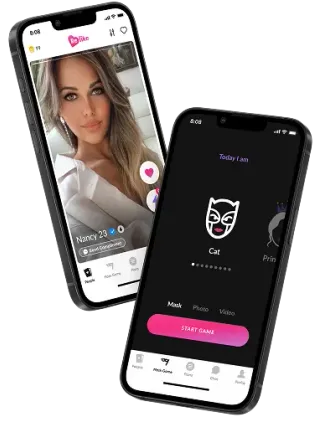
Want connection that moves beyond endless texting? Try Relike — where chemistry can grow both online and in real life.