Walking into a busy Chicago bar and joining a group that meets every week are different ways of meeting people. One asks you to create a conversation from nothing; the other gives you a game, a skill or a task to share. Neither tells you who is single. If you want to expand your dating life, choose the setting for the kind of introduction you are comfortable making, then be clear when you want something more than a friendly exchange.
This guide separates opportunities to meet new people from places to take someone who has already accepted a date. The organizations below run activities, not matchmaking services. Check their current calendars, adult eligibility, costs and registration rules before attending.
Choose the format before you choose a Chicago neighborhood
- You want familiar faces: consider a recreational league or a multi-session class you can attend consistently.
- You prefer talking about an activity: look for a beginner workshop or a shared project rather than a room where everyone is watching a performance.
- You specifically want to date: choose an explicitly advertised singles event or start a conversation on a dating app. Do not assume an ordinary class has the same purpose.
- You already have a willing date: compare a short walk, a meal or an exhibition in the later section. You no longer need a venue that facilitates introductions.
A useful Chicago choice also has to fit your route. A class you can reach regularly is more practical than an attractive listing that requires you to rush across the city after every workday. Before paying, check the actual location and finish time, not just the neighborhood used in the advertisement.
Chicago activities where introductions have a shared starting point
Chicago Sport & Social Club: join for a season, not a guaranteed date
Chicago Sport & Social Club lists recreational sports including volleyball, bowling, kickball and pickleball. Its registration FAQ explains that most leagues offer team and individual registration. Look at the specific league's location, level, dates and fees before choosing.
The useful feature is repeated participation: you have a reason to recognize people and talk about the game. Ask whether the level suits a newcomer and whether the remaining sessions fit your calendar. Play because you want to play; teammates may be partnered, uninterested in dating or simply there for the sport.
The Second City: be a participant rather than only an audience member
A comedy show can be entertaining, but watching quietly beside strangers does not create much interaction. The Second City's class finder includes comedy and improv learning options. Select Chicago and check the adult category, beginner prerequisites and whether the listing is in person.
A course gives you a shared exercise to discuss without needing a polished introduction. Choose it if learning the skill appeals to you, including the possibility of feeling awkward at first. Treat classmates as classmates; asking someone out should not make their remaining sessions uncomfortable.
Chicago Park District cultural programs: pick an adult course you would return to
The Park District's arts and culture programs include learning formats rather than only one-off entertainment. For a specific example, the Lincoln Park Cultural Center listings include adult creative courses. Read the age, registration and session details for the course itself.
A practical question is whether the activity includes shared instruction or discussion. A room full of people working silently is not the same social experience as a collaborative workshop. Let the work provide a topic, and avoid distracting someone who is concentrating.
Chicago Cares: build community without making service a dating tactic
Chicago Cares' opportunity listings can help you find a project connected to something you care about. Confirm the location, responsibilities, orientation and any recurring commitment before signing up.
The project comes first. Introductions to fellow volunteers may develop naturally, but recipients of a service are not potential dates to approach through that role. Follow the organizer's boundaries, complete the work and never use a project roster or contact information to pursue someone.
A low-pressure way to move from familiar face to invitation
Start with the subject you are both there for: “Is this your first season?” or “Have you tried this class before?” Offer something about your experience instead of asking a series of personal questions. If someone gives short answers and returns to the activity, let the exchange end.
After a few mutually enjoyable conversations, make your interest understandable. “I've enjoyed talking with you. Would you be interested in getting coffee as a date sometime?” is clearer than arranging several ambiguous hangouts and hoping the other person reads them the same way. A direct invitation can still be gentle.
Ask once and leave room for a no. If the person prefers to keep the connection within the class or team, accept that without changing your behavior toward them. Do not ask other members to persuade them or share their details. An activity should remain comfortable for someone who does not want to date you.
Already have a date? Choose a place that serves the conversation
These are possible meeting settings, not claims that their visitors are single. Discuss the format, budget and route with your date rather than assuming a famous Chicago address is automatically a good fit.
- A short outdoor introduction: a Chicago Riverwalk plan can have a defined start and finish. Name the street access point and agree on an indoor alternative if conditions are unsuitable.
- An art-focused visit: choose one interest at the Art Institute of Chicago rather than trying to cover the whole museum. Check admission before buying tickets for two.
- A meal you both want: The Publican in Fulton Market gives the plan a specific establishment. Check the current menu, timing and booking arrangements together.
- An agreed evening drink: Gilt Bar in River North is a named destination, not a generic recommendation to find “River North bars.” Ask whether that atmosphere suits the conversation you want.
Compare the journeys home as well as the journeys in. A date does not have to continue because one person made a long trip, paid for tickets or found the location impressive. A shorter first meeting can leave you both able to decide freely whether there should be another.
Use online dating to clarify intention, not to outsource the whole social plan
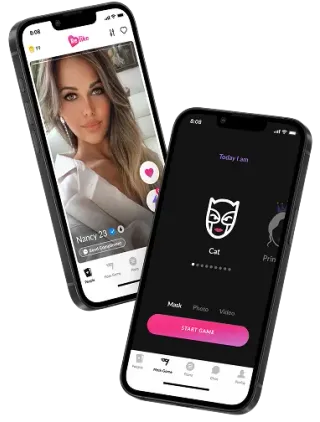
A general group leaves relationship availability unknown. A dating-app conversation offers a context in which you can ask what someone is looking for, although an account or match still does not guarantee compatibility or a response. On Relike, explain your interests and intentions in your own words instead of making a profile into a list of Chicago attractions.
Explore Chicago singles when you want to start with dating intent. A useful invitation follows something you actually discussed: a shared interest and an available time, not merely living in the same city.
Keep private documents and money out of early exchanges. If you decide to meet, choose a public location and arrange your own return. You can read the US dating safety guide for a fuller checklist; no app or venue removes the need for judgment and consent.
A Chicago routine you can realistically test
Pick one recurring activity you would enjoy even without meeting a partner. Confirm its route and cost, then attend the sessions you committed to. During breaks, practice ordinary introductions rather than trying to decide immediately who might be available.
Alongside that routine, make your dating intentions clear online and leave room for one manageable first date when there is mutual interest. Review whether the activity fits your life after you have actually tried it. You are choosing a sustainable way to meet people, not grading each outing by whether it produces a number.
For the wider location overview, see dating in Chicago. Keep this distinction when choosing your next step: join a group to participate, and choose a date venue only after someone has agreed to be your date.
To combine this local approach with a wider online and offline routine, see how to meet singles in the US.
FAQ: Meeting singles in Chicago
Where can I meet Chicago singles without spending the evening at a bar?
Consider a recreational league, an adult creative course or a volunteer project that genuinely interests you. These introduce you to people, not guaranteed singles. An explicitly advertised singles event or a dating app provides a clearer dating context.
Can I join a Chicago recreational league without a team?
Chicago Sport & Social Club says most leagues offer individual registration. Check the particular league's level, location and availability rather than assuming every listing has a place for a solo participant.
Are improv classes a singles event?
No. They are learning environments. Join because you want to participate, respect classmates' boundaries and do not turn their attendance into an expectation of romantic attention.
Is the Riverwalk a good place to approach strangers for dates?
This guide recommends it as a possible setting for an already agreed meeting, not as a place where visitors are assumed available or open to an approach.
How do I ask out someone from an ongoing class?
After mutual conversation, make one clear, low-pressure invitation. Accept a refusal and preserve a comfortable class environment. Do not use group records or ask classmates to intervene.
What should we confirm before a first Chicago date?
Agree on the address, time, budget and type of activity. Compare return journeys and, for an outdoor meeting, discuss an alternative if the weather makes the original plan unsuitable.