In Phoenix, the right social plan is not always outdoors. If heat or a long drive makes you cancel often, choose an indoor activity near a trip you already make. Save an outdoor outing for a time and setting that work for you, rather than making it the only way you meet new people.
Use the recreation catalog to build an indoor routine
Start with the City of Phoenix’s classes and programs page. Look under adult offerings and compare the actual facility, course length, fees and any membership requirements. If you live in north Phoenix, an appealing class across the city may be a worse choice than a less novel one you can reach after work.
Look for a format in which people can talk while doing something, rather than assuming any class will be social. A beginner activity gives you honest questions to ask: which tool to use, how a move works or whether you understood the instruction. Give the group time to develop before deciding whether it is a fit.
Try a park project for a different kind of introduction
The city lists parks volunteer opportunities. Choose a task you are willing to do and confirm sign-up, location and instructions. Ask about the physical demands and current conditions if it is outside. A listing does not mean a shift is open or that a project is suitable in every season.
Volunteer work gives you a reason to speak with someone without asking personal questions. Focus on the assignment and respect the organizer’s rules. If a one-off project feels too brief for making friends, look for another shift with the same team rather than trying to collect contacts on the first day.
Choose an agreed date independently of the activity
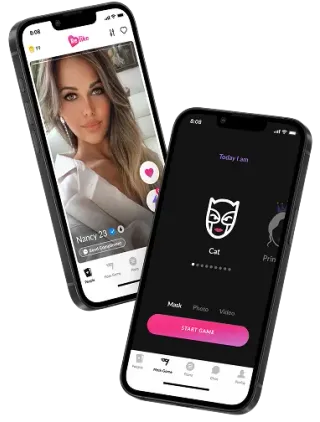
For dating rather than group participation, you can start with Phoenix singles on Relike. Explain whether you prefer a daytime coffee or an evening plan, and compare general areas before you settle on an address. An indoor public first meeting can be a complete date; it does not need a hike attached.
If you both want to be outside, check conditions and agree on a backup you would actually enjoy. Don’t swap a canceled walk for a private meeting just to keep the date. See the Phoenix dating page for local context, or the US singles guide to compare ways of meeting people.
Build a calendar that still works when the weather changes
Start with a dependable indoor option and treat outdoor events as an addition, not a promise. A recreation class with a reliable location gives you somewhere to go when you would otherwise cancel a park plan. A project outside can be worthwhile in suitable conditions, but first check its organizer’s instructions and the forecast. Ask what happens if the project moves or is called off. Do not presume that a volunteer event listed on a seasonal page is still scheduled.
Distance is a second filter. Search around where you already spend time on the day of the activity, not only around your address. If you finish work Downtown and would need to drive home before returning for an evening session, compare a class you can go to directly with one near home on a different day. That gives you a decision about two actual trips rather than a vague idea of what counts as nearby in Phoenix. Look up the trip at the hour you would make it and include time to arrive and check in.
Some listings use the name of the organization rather than a clear branch in the headline. Open the individual registration page and verify the venue. Keep the street address with your calendar entry, not merely “art class” or “park volunteering.” If you are choosing between two sites, compare the schedule across the entire course, including sessions after a holiday or a change in your work hours.
Choose ceramics by campus, level and format
Phoenix Center for the Arts lists ceramics at its Downtown and North Phoenix Thunderbird campuses. Find the exact campus and check whether the listing is a beginner class, a specific technique, or open studio for people who can already work independently. The last of those is not necessarily the easy route if you have never handled clay. Ask about materials, registration and the current availability rather than assuming you can turn up because a general class page is online.
One advantage of making something is that you do not have to fill every silence. A natural first exchange might be asking how the other person interpreted a demonstration after you have both tried it. If they are intent on getting their piece right, let them work. After a few sessions, ask whether they plan to take another class in that subject. That is an ordinary conversation about a shared interest, not a disguised invitation that they have to decipher.
Decide up front how much of a course you can afford in time as well as money. A one-day workshop can tell you whether you like the studio and the work. A series lets you see familiar faces, but it only gives you that opportunity if you can return. If the series clashes with your usual commitments, a library discussion may be a better anchor and the workshop can remain a one-off.
Compare a library discussion with a bookstore event
Use the Phoenix Public Library events calendar to look for adult discussions, then check the branch and what the group expects you to read. Some events are structured around a book or task; others are talks where the audience mainly listens. If you want conversation, choose a listing that actually describes discussion or participation. A busy room is not a substitute for a format in which you can speak.
Changing Hands’ First Draft Book Club is a different example: a bookstore-based discussion at its Phoenix location. Confirm the current book, location, start time and any entry or purchase expectations before going. If you are avoiding nightlife, be aware that the venue is a book bar; choose a library or arts class if that setting is not what you want. “Not relying on nightlife” does not require every reader to make the same choice about a venue that serves drinks.
If you have not finished the selection, ask whether you can still come and listen. If you have finished it, bring one question that is about the book, not an excuse to ask somebody what they do on weekends. You can judge whether the group suits you by how easy it is to contribute and how the room handles different opinions. That gives you better information than how many introductions you managed in one evening.
Make outdoor projects optional rather than weather-dependent promises
For a city park project, confirm the assignment and the exact gathering point before committing. The fact that the park is familiar to you does not mean you know which entrance the team is using. Check whether the project asks for tools, specific clothing or a certain level of physical work. If conditions or the assignment are not right for you, choose a different shift or keep your indoor plan. Meeting people is not a reason to disregard the organizer’s guidance or your own comfort.
A shared task is also an opportunity to discover what sort of interaction you enjoy. Do you prefer working with the same few people throughout a shift, or do you like a role where you are introduced to new teammates? Ask the coordinator how the task is organized. Do not switch stations just to pursue a conversation, and do not assume that a quiet teammate wants a more personal exchange.
Keep the easier location even when the calendar changes
Suppose the ceramics class you wanted at Thunderbird is full, while a Downtown class has space. The choice is not just pottery now or pottery later. If Downtown requires a trip you rarely make, compare the next North Phoenix enrollment with a one-off activity nearer your usual route. Keep the convenient place in your shortlist and change the medium for a week. You may discover that you enjoy a book discussion more than you expected, or that you really want the studio and would rather wait for the next session.
Keep track of the reason you passed on a listing: full, wrong age group, too far, or the wrong format. Those notes make the next search faster. A closed registration tells you nothing about whether the program is right for you; a commute that repeatedly makes you late is a stronger reason to choose another site.
Pick a plan you could repeat, then keep dating separate
If you want a low-commitment start, try one adult discussion or workshop and decide afterward whether to return. If you want to learn a skill, compare two class listings by campus and dates, then commit to the one you can actually attend. If you would rather do practical work than sit in a room, make an organizer-approved park shift your occasional option. Those are different starting points, not three tasks to fit into the same week.
For a date arranged through an app, use a different decision. Offer a short public plan that still works if the forecast changes. If you usually go to a particular part of the city, say that as a preference rather than asking the other person for an address. Confirm the exact venue, whether it is open at that hour and whether you can each get home independently. If one person cannot make the trip, it is reasonable to change the day or decline the plan rather than stretch the radius just to make it happen.
If somebody you meet in a group seems interested in talking more, ask once about meeting separately when it is appropriate. Give them a way to decline without affecting their place in the group. If you are not sure whether the friendliness was romantic, you can leave it as a pleasant conversation and return because you like the activity.
FAQ: Meeting singles in Phoenix
What can I do when I do not want an outdoor plan?
Compare adult indoor classes by location and format. For an agreed date, pick a public indoor place where you can hear each other.
Should I drive farther for a bigger group?
Not necessarily. Consider how often you could attend, not just how many people might come once.
Are park volunteer projects dating events?
No. Join for the work. Keep any invitation personal, optional and separate from the project.