To meet singles in San Jose, first decide what you mean by local. An activity near your office might work on Thursday and be a nuisance from home on Saturday. A recurring group in Japantown or a volunteer project at Guadalupe River Park is more useful than a long list of places across the Bay if you can get there, participate and come back. Start with your real week, not the radius on a map.
There are two kinds of introductions in this guide. A shared project can turn strangers into people who know your name. A dating introduction, including the San Jose singles page, lets you say that you are interested in a date from the start. Use both if you enjoy them, but do not expect people at a neighborhood event to explain their relationship status just because they came alone.
Give yourself an actual South Bay travel budget
Write down two trips you would make without complaining: one on a normal weeknight and one on a day off. A venue you can get to straight from work may be ideal for a group session, but a first date needs a time and place that also work for the other person. If someone says they are near San Jose, ask which general part of the South Bay they can comfortably reach. Do not ask for a home address or assume they will drive.
Check both legs of the trip. If you are using transit, look at the return connection rather than just the arrival. If you are driving, think about parking and how much time a delayed departure adds. A forty-minute coffee becomes an expensive experiment if the trip consumes the entire evening. If a route feels borderline, save it for a later outing or suggest a midpoint that both people can reach independently.
Let convenience work in your favor without treating it as chemistry. Two people can live close together and want different things. Two people farther apart can get along without wanting to travel every week. Be honest about how often you can meet before committing to a routine. It is better to say “weekend mornings work for me” than to spend a month rescheduling Thursday nights.
Look for a job to do at Guadalupe River Park
The Guadalupe River Park Conservancy calendar lists activities including work at the Historic Orchard. Read the current event details for registration, the meeting point and what to bring. The exact listing matters: a park can cover several spaces, and a volunteer crew does not necessarily meet at the entrance you would use for an ordinary walk. Check for changes before heading out in bad weather.
A garden or orchard workday lets you talk in bursts while doing something. Introduce yourself to the people assigned to your task. Ask what the group is working on rather than opening with a question about somebody's personal life. If it is your first visit, it is fine to ask where tools go or how the crew divides the work. Save longer conversations for breaks, when nobody has to choose between listening and getting the job done.
For a repeat visit, pick a project you can show up for consistently. If outdoor work is not a fit, ask about the physical requirements or choose an indoor group rather than assuming you can change the assignment when you arrive. An organizer may know whether there are other roles, but you do not need to explain private medical details to justify choosing something else.
When a shift ends, make the follow-up about what actually happened. “It was nice talking about fruit trees; is this the group you usually volunteer with?” is specific without being intrusive. If you exchange contact details, use them for the purpose you agreed on. Do not pull names from a registration form or message people who never offered a way to stay in touch.
Japantown works better when you follow a program, not a crowd
Choose a public cultural event, community program or class from an organizer's listing. A festival can be a good way to discover organizations that do smaller programs later; it is not necessarily the best setting for a long conversation. If you find something that interests you, ask when newcomers can attend again rather than treating the busiest day as your only opportunity.
Take the program on its own terms. A heritage event is not a dating mixer, and a person who volunteers to explain an exhibit is doing that work for everyone. Listen, ask a relevant question and notice when somebody needs to return to their role. For an introduction with a chance of continuing, a class you can attend more than once usually offers more room than a brief transaction at a stall.
If you want a place to talk afterward, decide whether you mean a friendly group coffee or an invitation for two. Those are different plans. A friend can join without any question of romantic interest, while a date should not be disguised as a casual networking stop. If you only just met, an easy next step is to say you enjoyed the conversation and ask if they would like to continue it another day.
Build a social routine that has nothing to do with work
If most of your introductions come through a job, try an activity where nobody needs to ask what you do. A library discussion, a hands-on class or a beginner game group gives you an alternative topic. Ask the host how solo participants are included. An event with tables assigned in advance can be ideal if the host welcomes newcomers, but awkward if everyone is expected to arrive with a full team.
Bring something simple to contribute. For a book discussion, mark a passage you actually want to talk about. For a class, arrive in time to set up and ask the person beside you how they chose it. In a language exchange, agree which language you are practicing and let that be the focus. Other participants do not owe you their evening beyond the activity they signed up for.
When the room does not suit you, diagnose the reason. If the issue was noise, try a smaller group. If it was that nobody switched tables, look for a format with introductions built in. If the activity was enjoyable but the commute was exhausting, find a closer version. That gives you something concrete to change instead of deciding after one attempt that San Jose is impossible for meeting people.
Make an online introduction specific without sharing your routine
If you work odd hours, mention the times you can usually meet in broad terms rather than matching with people who assume every Friday night is free. For a midday plan, make sure neither person is squeezing the meeting into a break that is too short. If lunch will be rushed, offer a weekend morning instead. You can talk about availability without saying where you work or giving somebody a detailed calendar.
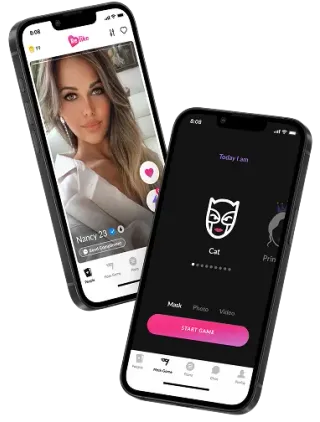
On Relike, write one detail that shows how you spend time in the South Bay and one that tells someone what a first plan could look like. “I like neighborhood history and short weekend coffee dates” offers two ways to respond without telling strangers exactly where to find you. Ask about an interest they chose to share rather than testing whether they can name the same favorite venues.
When both people want to meet, suggest a public cafe with an exact location, a time and a short window. If you decide to meet downtown, say where instead of sending a general map pin. Have a backup if the place is unexpectedly closed. Do not substitute a private address without a conversation. If you are still unsure about meeting, it is fine to keep talking or decline rather than waiting for a convincing argument.
For the broader local view, start with the San Jose dating guide. If you are comparing ways to meet people across different cities, the US singles guide separates approaches that work online from the activities that help you build a local circle. Neither requires an itinerary across the entire Bay Area.
Where to go once somebody has agreed to a date
A short Japantown outing can work if you both want to browse, but pick one place to start and avoid making the other person guess which corner you mean. Downtown coffee is simpler when the goal is conversation. A longer outdoor plan is better once you have talked about weather, footwear, walking distance and what each person wants from the day. An interesting neighborhood is not a substitute for agreement on the plan.
If you cannot agree on a place that fits both routes, postpone rather than scoring who tried harder. You can suggest a different time, a different location or a shorter plan. The invitation succeeds when the other person can make an informed choice, not when it gets a yes at any cost. Leave optional extensions genuinely optional, including a second stop or a lift home.
For your next week in San Jose, choose one activity that you can reach from where you already are and that you would enjoy with no date attached. If you make a connection, move it forward with a direct invitation rather than hoping it will happen by itself. If you do not, you still have an activity worth repeating and a better sense of how to spend your time in the city.
FAQ: Meeting singles in San Jose
Where can I meet people in San Jose outside of tech events?
Try a park volunteer crew, a library discussion or a public cultural program. Choose something that matches an interest you have outside work and leaves room for new participants to talk.
Are Guadalupe River Park volunteer sessions singles events?
No. They are volunteer activities. They can help you meet people who care about the same work, but attendance says nothing about whether someone is available for a date.
Is it better to meet downtown or somewhere else in the South Bay?
Choose by the actual routes you can both make. Downtown is practical for some pairs, but a different public meeting spot can save a transfer, a drive or a parking expense.
What is a low-pressure San Jose first date?
Pick an open, public place where you can talk for a short time. Agree on the exact meeting point and keep any extra stop optional.