
If you have ever caught yourself thinking, “Why am I still single?”, you are not alone.
Millions of smart, attractive, emotionally aware people ask themselves the same question at some point. Being single is not a flaw, failure, or sign that something is wrong with you.
But sometimes there are patterns, fears, habits, or emotional blocks that quietly keep people stuck in the same dating cycle.
The goal is not self-judgment. The goal is self-awareness.
Quick answer
You may still be single because of emotional patterns, unrealistic expectations, fear of vulnerability, dating anxiety, emotional unavailability, unhealthy attraction patterns, or simply not meeting compatible people consistently enough.
Being single does not mean you are unlovable. It usually means there is still something to learn, heal, clarify, or change in your dating approach.
Common myths about being single
- “I’m single because I’m not attractive enough.” Attraction is deeply subjective. Confidence, emotional availability, and communication matter far more long term.
- “All the good people are taken.” Many emotionally healthy people are also single and frustrated with modern dating.
- “I’m too independent for relationships.” Independence is healthy. The key is leaving emotional room for connection.
- “Love just happens naturally.” Sometimes yes — but healthy dating also requires openness, effort, and emotional awareness.
Being single is not proof that you failed. It is simply your current relationship status, not your final outcome.
1. You keep attracting emotionally unavailable people
Sometimes people repeat familiar emotional patterns without realizing it.
You may chase people who give mixed signals, confuse inconsistency with chemistry, or become attached to people who cannot fully show up emotionally.
- Do you often feel anxious instead of emotionally safe?
- Do you keep trying to “earn” consistency?
- Do chaotic relationships feel more exciting than calm ones?
Healthy attraction usually feels steadier than emotional confusion.
Read more in emotional safety vs chemistry.
2. You built emotional walls instead of boundaries
Boundaries protect you. Emotional walls isolate you.
If you have been hurt before, you may unconsciously protect yourself by becoming emotionally distant, hyper-independent, overly guarded, or unavailable.
This often sounds like:
- “I don’t need anyone.”
- “Relationships always end badly.”
- “I’m better alone.”
Being cautious is healthy. But if nobody can emotionally reach you, connection becomes difficult.
3. You want perfection instead of compatibility
High standards are healthy. Impossible standards are often fear disguised as selectiveness.
No partner will perfectly match every preference, lifestyle detail, personality trait, and fantasy expectation.
Ask yourself:
- Are your standards helping you or protecting you from vulnerability?
- Do you reject people too quickly because they are not instantly perfect?
- Are you prioritizing emotional safety or fantasy chemistry?
Compatibility matters more than perfection.
4. You are still healing from the past
Sometimes people are technically single but emotionally still attached to an old relationship, heartbreak, betrayal, or fear.
You may compare new people to your ex, expect disappointment before trust exists, or emotionally shut down before connection can grow.
Healing does not mean forgetting. It means your past no longer controls your present choices.
Read more in emotional readiness for a relationship.
5. You are not putting yourself out there consistently
It is hard to meet compatible people if your life stays emotionally and socially closed.
Many people want love but approach dating passively:
- rarely going out,
- barely replying on dating apps,
- avoiding vulnerability,
- or giving up after a few disappointing experiences.
Healthy dating usually requires consistency, not perfection.
Read more in how to meet singles.
6. You became too comfortable being alone
There is nothing wrong with enjoying your independence.
But sometimes comfort turns into emotional isolation without you noticing.
You may have built a life where:
- nobody disrupts your routine,
- you never need to compromise,
- and emotional vulnerability feels unfamiliar.
Healthy relationships require space for another person emotionally, mentally, and practically.
7. You fear rejection more than you want connection
Dating always involves emotional risk.
If fear of rejection becomes stronger than your willingness to connect, you may unconsciously avoid opportunities before they even begin.
This can look like:
- never sending the message,
- avoiding flirting,
- pulling away when someone likes you,
- or ending things too early to avoid vulnerability.
Rejection hurts, but it is not proof that you are unworthy.
Read more in how to build confidence in dating.
8. You do not actually know what you want
Many people say they want a relationship, but they are unclear about the type of relationship they truly want.
- Do you want casual dating or commitment?
- Do you want emotional stability or emotional excitement?
- Do you want partnership or validation?
- Do you know what healthy love actually looks like for you?
Clarity changes who you choose and who you allow into your life.
9. Your energy feels emotionally unavailable
Sometimes people appear open socially while emotionally signaling distance.
You may:
- avoid deeper conversation,
- keep interactions surface-level,
- struggle to express feelings,
- or act detached to protect yourself.
People often sense emotional availability through tone, warmth, responsiveness, and consistency — not just words.
Being single vs being emotionally unavailable
Being single is not the same as being emotionally unavailable.
You can be single and emotionally healthy, open, grounded, and ready for connection.
Emotional unavailability usually looks different:
- fear of intimacy,
- avoidance of vulnerability,
- attraction to unavailable people,
- discomfort with consistency,
- or pushing people away when things become emotionally real.
Understanding this difference can completely change your dating patterns.
10. You compare yourself too much
Social media creates the illusion that everyone else is constantly in love, engaged, or building perfect relationships.
But online highlights rarely show:
- relationship anxiety,
- loneliness inside relationships,
- communication problems,
- or emotionally unhealthy dynamics.
Your timeline does not need to match someone else’s.
How to start changing the pattern
- Stop chasing emotionally confusing people.
- Practice clearer communication.
- Focus on emotional safety, not only chemistry.
- Stay open instead of hyper-protective.
- Date more consistently instead of emotionally disappearing.
- Build confidence through action.
- Allow yourself to be seen honestly.
Real change usually starts with awareness, not perfection.
What healthy dating actually feels like
- You feel calmer more often than anxious.
- Communication feels mutual.
- You are not constantly decoding mixed signals.
- Your boundaries are respected.
- You can be emotionally honest without fear.
- The connection develops naturally over time.
Healthy love usually feels clearer than chaos.
Reflection questions
- Do I believe I deserve healthy love?
- Am I emotionally available myself?
- Do I confuse intensity with compatibility?
- What dating pattern keeps repeating?
- What would healthier connection actually look like for me?
- Am I protecting my peace — or avoiding vulnerability?
Related guides
- How to start dating
- How to build confidence in dating
- Emotional readiness for a relationship
- Dating red flags
- Emotional safety vs chemistry
- How to meet singles
FAQ
Why am I still single even though I want a relationship?
You may still be single because of emotional patterns, unclear intentions, fear of vulnerability, inconsistent dating effort, or attraction to emotionally unavailable people.
Is being single a red flag?
No. Being single is not a red flag. Many emotionally healthy people are single while building their lives, healing, or searching for compatible relationships.
Can emotional unavailability keep you single?
Yes. Emotional unavailability can make it difficult to build intimacy, trust, consistency, and long-term connection.
Why do I keep attracting the wrong people?
People often repeat familiar emotional patterns unconsciously. Awareness, boundaries, and healthier relationship standards can help break the cycle.
How do I stop feeling hopeless about dating?
Focus on realistic expectations, emotional growth, healthier patterns, and consistent effort instead of comparing yourself to others or treating every disappointment as permanent.
Bottom line
Being single does not mean you are broken, behind, or unworthy of love.
Sometimes it means you are still learning what healthy connection looks like, healing old patterns, or becoming emotionally ready for the kind of relationship you actually want.
The right relationship will not require you to chase confusion, abandon yourself, or constantly guess where you stand.
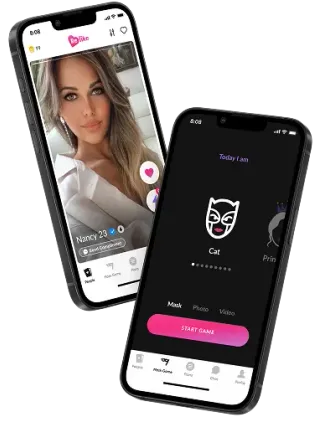
Want dating that feels more emotionally honest and intentional? Try Relike — where real connection starts with clarity and genuine communication.