
AI is changing the way people communicate, date, flirt, and build relationships.
Some people use AI to improve messages, process emotions, or communicate more clearly. Others worry that technology may make relationships feel less authentic, more performative, or emotionally disconnected.
The reality is more nuanced. AI itself is not automatically good or bad for relationships. What matters is how people use it.
Quick answer
AI can help love and emotional connection by improving communication, reducing misunderstandings, supporting reflection, and helping people express themselves more clearly.
But AI can hurt relationships when it replaces real effort, creates secrecy, blurs authenticity, or becomes a substitute for honest emotional intimacy.
Healthy AI use in dating depends on transparency, boundaries, and remembering that technology should support connection — not replace it.
Why AI is becoming part of modern relationships
Modern relationships already happen through technology:
- dating apps,
- texting,
- voice notes,
- social media,
- video calls,
- and digital communication.
AI is simply becoming another layer inside that system.
People now use AI tools to:
- improve dating profiles,
- rewrite texts,
- prepare difficult conversations,
- translate messages,
- process feelings,
- and reflect on relationship problems.
That creates both opportunities and emotional risks.
Can AI create real emotional connection?
AI can simulate emotional understanding surprisingly well. It can respond warmly, validate feelings, and help people feel heard.
But emotional simulation is not the same as human intimacy.
Real emotional connection still depends on:
- mutual vulnerability,
- shared experiences,
- real accountability,
- physical presence,
- trust,
- and emotional reciprocity.
AI may support reflection or communication, but it cannot fully replace the complexity of human relationships.
How AI can improve communication in relationships
Used thoughtfully, AI can genuinely help communication.
- Clarifying thoughts before difficult conversations.
- Softening overly reactive messages.
- Helping people express emotions more clearly.
- Translating language differences.
- Reducing misunderstandings in texting.
- Helping people reflect before reacting impulsively.
Some people struggle to organize emotions under stress. AI can sometimes help slow the conversation down and make communication more intentional.
Read more in texting and communication in dating.
When AI hurts trust and authenticity
Problems begin when AI stops being a tool and starts becoming a mask.
Relationships depend on authenticity. If someone uses AI to create a version of themselves that is not emotionally real, trust can slowly erode.
Examples include:
- sending AI-written romantic messages without meaning them,
- outsourcing apologies instead of taking accountability,
- pretending emotional depth that is not genuine,
- using AI to avoid direct conversation,
- or hiding how much communication is being generated artificially.
People usually care less about AI assistance itself and more about deception or emotional dishonesty.
AI, emotional cheating, and relationship boundaries
One emerging question is whether emotional attachment to AI can cross relationship boundaries.
For some couples, AI chatbots may simply feel like tools. For others, secret emotional dependency on AI may feel uncomfortable or even emotionally disloyal.
The important issue is not technology alone. It is transparency, intent, emotional secrecy, and whether the connection replaces intimacy with a real partner.
Questions worth discussing include:
- Is AI being used privately or openly?
- Does it support the relationship or replace emotional intimacy?
- Would your partner feel betrayed if they knew?
- Are emotional needs being redirected away from the relationship?
Healthy relationships usually require open discussion about digital boundaries.
Why authenticity matters more than perfection
Many people fear saying the wrong thing in relationships.
AI may help create smoother, more polished communication, but emotional connection rarely depends on perfection alone.
Often, people trust messages more when they feel imperfect but genuine.
- A nervous honest message can feel more intimate than a perfect generated one.
- A real apology matters more than polished wording.
- Emotional effort matters more than performance.
Connection usually grows through emotional honesty, not emotional optimization.
Healthy ways to use AI in dating
- Use AI to reflect before difficult conversations.
- Rewrite messages only to improve clarity, not manipulate emotion.
- Personalize everything so it still sounds like you.
- Stay honest about your intentions and feelings.
- Do not use AI to fake emotional availability.
- Use technology to support communication, not replace it.
Healthy AI use should make relationships feel clearer and more human — not more artificial.
What AI cannot replace in love
Technology can assist communication, but it cannot replace:
- real trust,
- shared experiences,
- physical presence,
- mutual care,
- emotional accountability,
- consistency,
- and vulnerability.
Relationships are built through repeated human experiences over time, not only through words.
AI and dating anxiety
Some people use AI because modern dating feels emotionally overwhelming.
AI can reduce pressure temporarily by helping people structure thoughts or feel more confident communicating.
But if someone becomes dependent on AI for every emotional interaction, it may increase insecurity instead of reducing it.
Confidence in relationships grows through real communication experience — not only through assistance.
Read more in how to overcome dating anxiety.
How couples can discuss AI boundaries
Every relationship will have different comfort levels.
Healthy discussion topics may include:
- when AI use should be disclosed,
- what feels emotionally authentic,
- whether AI companionship feels uncomfortable,
- how much AI-written communication feels acceptable,
- and where emotional boundaries should exist.
The goal is not strict rules. The goal is mutual trust and emotional clarity.
The future of AI and relationships
AI will likely become more integrated into dating and communication over time.
But technology usually amplifies existing relationship patterns rather than replacing them completely.
People who communicate honestly, respect boundaries, and value emotional connection will likely use AI differently than people avoiding vulnerability or authenticity.
The healthiest future is probably not anti-technology or fully AI-driven. It is emotionally aware technology use combined with real human connection.
Related guides
- Texting and communication in dating
- How to overcome dating anxiety
- Emotional safety vs chemistry
- Clear-coding and honest communication
- Modern dating terms explained
- Emotional readiness for a relationship
FAQ
Can AI improve relationship communication?
Yes. AI can help clarify thoughts, soften reactive wording, organize emotions, and improve communication clarity — as long as the conversation still reflects genuine feelings.
Is it okay to use AI to write romantic messages?
It can be okay if the message reflects your real emotions and you personalize it honestly. Problems usually start when AI replaces sincerity or creates emotional deception.
Can AI create real emotional connection?
AI can simulate emotional understanding, but real human intimacy still depends on vulnerability, trust, accountability, shared experiences, and mutual emotional presence.
Does AI create emotional cheating risks?
Potentially. If AI becomes a secret emotional outlet that replaces real intimacy or violates relationship boundaries, it may create trust issues.
What is the healthiest way to use AI in relationships?
Use AI as a communication support tool, not a replacement for honesty, vulnerability, accountability, or emotional effort.
Bottom line
AI may change how people communicate, but it does not change what healthy relationships fundamentally need.
Trust, honesty, emotional safety, vulnerability, and consistency still matter more than perfectly optimized communication.
Technology can support connection. It should not replace the courage required for real intimacy.
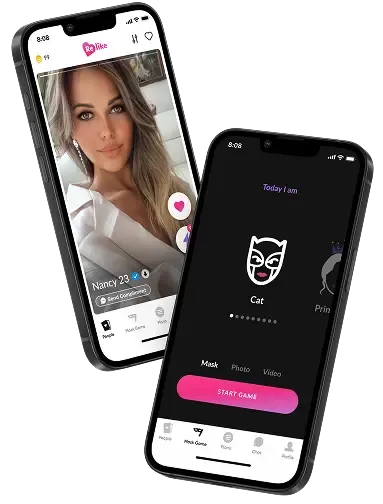
Want more honest conversations and emotionally real connection? Try Relike — where communication stays human.