
Why can one unanswered text feel completely harmless to one person — and emotionally overwhelming to another?
Attachment styles often show up most clearly through texting. Response times, reassurance, silence, emotional availability, and communication consistency can all trigger deeper emotional patterns.
Modern dating happens heavily through phones. That means attachment anxiety, emotional avoidance, and relationship insecurity now appear through texting behaviors as much as through in-person interactions.
Understanding attachment styles in communication can make dating feel far less confusing.
Quick answer
Attachment style often appears in texting through communication patterns, reassurance needs, emotional availability, and reactions to silence.
- Secure attachment usually feels steady and emotionally clear.
- Anxious attachment often seeks reassurance and fears disconnection.
- Avoidant attachment tends to create emotional distance.
- Fearful-avoidant attachment often swings between closeness and withdrawal.
The goal is not labeling people. The goal is building emotionally safe communication.
Why texting triggers attachment anxiety
Texting creates uncertainty. Unlike face-to-face communication, messages leave space for interpretation, projection, and overthinking.
A delayed reply can feel emotionally neutral to one person and deeply threatening to another.
For people with anxious attachment, texting can activate fear of abandonment, rejection, inconsistency, or emotional disconnection.
This is why modern dating can feel emotionally exhausting. Phones create constant access to reassurance — but also constant access to uncertainty.
Checking your phone repeatedly, rereading messages, watching typing indicators, analyzing reply times, and feeling relief after a response are all common attachment-related reactions.
Research on attachment theory suggests that emotional safety grows through predictability, consistency, and secure communication patterns.
How secure attachment usually looks in texting
Secure communication usually feels calm, clear, and emotionally consistent.
- Replies are relatively steady without emotional games.
- Communication feels warm but not overwhelming.
- Silence does not immediately create panic.
- Needs can be communicated directly.
- Conflict does not instantly threaten the relationship.
- Plans and follow-through matter more than texting performance.
Secure texting is not about constant availability. It is about emotional reliability.
Signs of anxious attachment in texting
Anxious attachment often appears through hyper-awareness of communication.
- Overthinking reply times.
- Feeling anxious when messages slow down.
- Wanting constant reassurance.
- Double texting from panic.
- Feeling emotionally dependent on replies.
- Interpreting short messages as rejection.
- Checking phones repeatedly for notifications.
- Feeling emotionally high after attention and emotionally low after distance.
People with anxious attachment are not “too needy.” Usually, they are trying to create emotional safety through connection.
The problem is that reassurance-seeking can sometimes create pressure, emotional exhaustion, or unhealthy dependency.
Signs of avoidant attachment in texting
Avoidant attachment usually appears through emotional distance and inconsistent communication.
- Sporadic replies.
- Disappearing during emotional conversations.
- Preferring surface-level communication.
- Avoiding emotionally vulnerable topics.
- Feeling overwhelmed by too much messaging.
- Wanting connection but pulling away when intimacy increases.
- Responding less when relationships become emotionally serious.
Avoidant communication does not always mean lack of interest. Sometimes it reflects discomfort with emotional vulnerability or fear of dependence.
Still, healthy relationships require emotional availability and consistency.
Fearful-avoidant texting patterns
Fearful-avoidant attachment often creates the most emotionally confusing communication patterns.
Someone may text intensely for days, then suddenly withdraw. They may crave closeness but panic when intimacy feels real.
- Intense emotional connection followed by distance.
- Hot-and-cold communication.
- Fear of abandonment mixed with fear of vulnerability.
- Emotional inconsistency.
- Strong chemistry but unstable communication patterns.
This pattern can feel addictive because unpredictability often intensifies emotional attachment.
How attachment styles affect modern dating
Dating apps and constant messaging amplify attachment behaviors.
Online dating creates more ambiguity, more waiting, more comparison, and more emotional uncertainty than traditional dating environments.
This is why texting has become such an emotionally loaded part of relationships.
Sometimes people become deeply attached through communication before real trust, consistency, or compatibility have actually formed.
Read more in can texting create real intimacy?.
Healthy communication vs unhealthy attachment patterns
Healthy communication usually includes:
- Consistency.
- Emotional clarity.
- Direct communication.
- Respect for boundaries.
- Follow-through.
- Emotional availability.
- Calm conflict resolution.
Unhealthy communication patterns often include:
- Ghosting.
- Breadcrumbing.
- Emotional inconsistency.
- Mixed signals.
- Attention without commitment.
- Manipulative silence.
- Hot-and-cold behavior.
Healthy relationships feel emotionally safe more often than emotionally confusing.
How to text more securely
You do not need a perfect attachment style to build healthy communication habits.
- Set expectations clearly. “I’m not always on my phone, but I care about staying connected.”
- Ask directly for clarity. Healthy communication is clearer than guessing games.
- Pause before reacting emotionally. Not every delayed reply means rejection.
- Focus on behavior over texting intensity. Consistency matters more than constant attention.
- Choose emotionally available people. Compatibility matters.
- Build emotional safety offline too. Healthy intimacy cannot exist only through texting.
When texting patterns become red flags
Some communication patterns signal emotional unavailability rather than attachment differences.
- Repeated ghosting.
- Only texting late at night.
- Disappearing after emotional closeness.
- Avoiding plans or commitment.
- Giving attention only when convenient.
- Creating emotional dependency without consistency.
If communication regularly leaves you anxious, emotionally unstable, or constantly uncertain, the relationship may not be emotionally healthy.
For more context, read dating red flags, situationships, breadcrumbing, and ghosting, and emotional safety vs chemistry.
Can attachment styles change?
Yes. Attachment patterns are not fixed identities.
People can become more secure through healthy relationships, self-awareness, emotional regulation, therapy, communication skills, and emotionally safe experiences.
The goal is not perfection. The goal is creating relationships that feel stable, respectful, emotionally honest, and safe.
Related guides
- Texting and communication in dating
- Can texting create real intimacy?
- How to ask “what are we?”
- Emotional readiness for a relationship
- Why am I still single?
- How long should you text before meeting?
FAQ
Can texting trigger attachment anxiety?
Yes. Delays, ambiguity, inconsistency, and emotional uncertainty can activate attachment anxiety through texting.
What does anxious attachment texting look like?
It often includes overthinking replies, reassurance-seeking, fear of silence, emotional dependence on communication, and stress when texting patterns change.
Can avoidant texters still be interested?
Yes. Avoidant people can still care deeply, but they may struggle with emotional vulnerability or consistent communication.
What is secure texting?
Secure texting usually feels emotionally calm, consistent, respectful, and clear without constant anxiety or emotional games.
How do I stop overthinking texts?
Pause before reacting emotionally, focus on overall behavior instead of individual messages, and communicate directly instead of assuming rejection.
Bottom line
Texting does not define love — but it often reveals emotional patterns.
Healthy communication feels emotionally safe, consistent, and clear more often than confusing or emotionally exhausting.
The best relationships are not built on perfect texting. They are built on trust, emotional availability, consistency, and real connection.
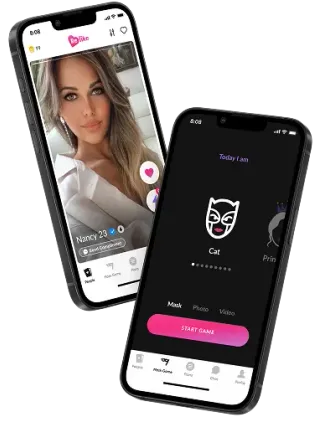
Want healthier communication and fewer guessing games? Try Relike — where clarity and connection matter.