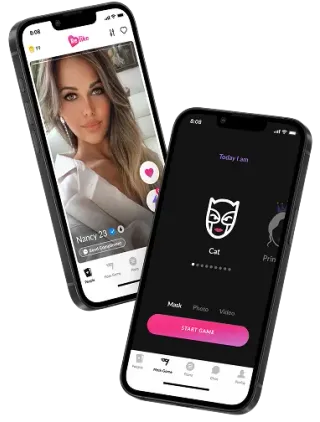
A useful online dating chat in the UK does three things: gives the other person a reason to reply, helps you understand what each of you wants and makes a possible meeting easier to discuss. It does not need nonstop messages, a perfect joke or a fixed number of days. Start with the profile, look for reciprocal effort and make the next step clear when you are both comfortable.
Make the first message answerable
Choose one detail the person has offered publicly and ask a small question about it. An interest, a recent activity or something they want to learn gives the exchange a subject. You do not need to guess their personality from a photograph or demonstrate that you know the most fashionable place in their city.
For example, "You mentioned learning to cook something new. What have you enjoyed trying?" leaves room for an ordinary answer. "Tell me everything about yourself" asks for too much work, while a comment only about appearance gives little direction. Use an example as a structure, not as a line to paste into unrelated conversations.
Avoid opening with several personal questions at once. A broad interest is enough; a precise address, workplace, phone number and tonight’s movements are not necessary. You are offering an introduction, not checking whether a stranger will surrender enough information to deserve your attention.
Follow the reply instead of resetting the conversation
If they tell you about an activity, respond to that answer before launching another question. Add something about your own experience so the exchange is not an interview. You can say you have never tried the activity and still be curious; pretending expertise usually creates a less natural conversation.
A helpful pattern is notice, respond, invite: notice the detail, respond with a short thought of your own and invite them to expand if they want. If they mention a book, you might ask what caught their attention rather than immediately requesting a favourite author, film, restaurant and holiday destination.
Mutual effort does not mean messages must have identical length. Look for signs that both people are participating: answers that engage with the topic, questions back or a willingness to discuss a plan. If the exchange stays one-sided, you can leave space rather than trying to keep it alive through sheer volume.
Do not turn banter into a test of belonging
Humour can be part of a good chat, but there is no compulsory British style that everyone should understand. Sarcasm, teasing and local references can land differently across backgrounds and personal preferences. Start with something that does not require the other person to accept an insult in order to prove they have a sense of humour.
If a joke misses, clarify briefly and change direction. "That sounded sharper than I intended" is more considerate than telling someone they cannot take a joke. The same applies to a reference about a city: not knowing a neighbourhood or a television programme does not make someone less genuine.
Let the tone develop from how the person actually responds. You do not need to escalate into sexual messages, pet names or intense declarations because a first exchange went well. Warmth and curiosity can remain proportionate while you decide whether the conversation is worth continuing.
Ask about intentions without staging an interview
When the exchange has some substance, say what you are hoping to explore. "I would like to meet someone for a relationship, without rushing the first stages. What are you looking for?" gives context and a question. Adapt it honestly; do not use a serious-sounding answer if you want something different.
Listen to the answer rather than searching for a more reassuring interpretation. Someone who is unsure is not secretly agreeing to your preferred outcome. You can continue only if the uncertainty works for you, or step back if your expectations are incompatible.
Visiting and living locally can create a practical difference too. If you are in the UK for a short stay, say so before discussing a plan that assumes repeated meetings. If you are seeking a local relationship, you can explain that without judging someone whose circumstances are different.
Treat reply speed as a preference to discuss
Shift work, study, caring responsibilities and a busy evening can affect how someone messages. A slower reply is not enough information to diagnose disinterest or an attachment style. Equally, being busy does not oblige you to remain in a conversation that never feels reciprocal.
Ask a simple question when it helps: "Are evenings usually easier for you to chat?" You are looking for a workable rhythm, not a promise of constant access. Avoid using online indicators as a reason to demand an explanation for every delayed answer.
If you want to follow up, keep it brief and relevant. Then leave room for a response. Repeated greetings, complaints and messages across several channels add pressure rather than clarity. Someone can choose not to continue, and you can decide to stop investing in an exchange that is not moving in a way you enjoy.
Give a possible meeting enough shape to be considered
When conversation is mutual, suggest a day, a broad area and the kind of public meeting. "Would coffee in the centre on Saturday afternoon suit, or is another day easier?" is easier to answer than "We should do something." It is also less demanding than presenting a fully booked evening before asking.
Discuss travel realistically. Two profiles within a similar radius can still involve an awkward connection or a difficult return journey. Someone arriving by train may need a different finish time from someone meeting near home. Ask about broad preferences, not exact private locations.
You can confirm an entrance and approximate length once the outline works. An optional extension is fine, but do not make the first meeting depend on a late private journey, expensive commitment or walking route one person did not agree to. A modest plan creates space for an honest decision about whether to meet again.
Choose the local conversation, not a national guessing game
Use a city page when you are ready to start a local dating conversation. Choose an area that genuinely fits your life rather than messaging across the country simply because a page exists. The local starting points below belong to local clusters with separate city and singles guides.
- London dating chat: Discuss broad meeting areas and schedules without turning the first exchange into a request for private location details.
- Manchester dating chat: Start from a real interest, then agree on a central or neighbourhood meeting that fits both journeys.
- Birmingham dating chat: Move from an answerable first question to a clear proposal, allowing room for different messaging preferences.
- Edinburgh dating chat: Be clear about living locally or visiting, and make a meeting proposal rather than asking someone to plan your stay.
- Liverpool dating chat: Use a real interest as an opener, then clarify the meeting area and station when travel becomes relevant.
- Glasgow dating chat: Keep humour considerate, discuss intentions and choose a meeting that fits central, western or Southside routines.
- Leeds dating chat: Avoid an interview-style exchange and make a clear proposal that works for local and regional journeys.
- Bristol dating chat: Talk honestly about interests, avoid a rehearsed local identity and check a practical first-meeting outline.
A call can be optional without becoming an identity certificate
If you would prefer a short call before meeting, ask rather than demanding it. Discuss a time and method both people are comfortable using. A call can help you hear how conversation feels, but it does not establish someone’s background or guarantee their intentions.
A person can decline a call for an ordinary reason; you can also decide that you do not want to meet without one. Explain your boundary calmly rather than turning the request into a test they must pass. Do not record or share a conversation without agreement.
Keep private information private while deciding. There is no need to send identity documents, reveal your exact address or provide financial details to reassure a new dating contact. Pressure to prove trust by taking a risk is not the same as a reasonable discussion of comfort.
Separate an awkward exchange from a boundary problem
An ordinary mismatch might be different humour, little conversational chemistry or incompatible plans. You can end it without assigning blame. A message such as "I do not think this is the right connection for me, but I wish you well" is enough when a direct response feels appropriate.
Repeated sexual pressure, requests for money, attempts to obtain private information or demands for secrecy call for a different response: stop engaging and use available reporting or blocking options. You do not need to complete a polite closing exchange if doing so would make you less comfortable.
Get Safe Online’s dating advice discusses privacy, financial requests and first-meeting precautions. Use that guidance alongside your own boundaries. Familiar local references and a convincing story should not make a financial request acceptable.
Use Relike without making promises the chat cannot keep
A dating conversation is a way to explore compatibility, not a guarantee of a reply or a relationship. On Relike, begin with accurate profile details, ask about the other person’s interests and discuss intentions in plain language. There is no need to claim immediate certainty about someone you have not met.
If your main problem is that your social circle rarely changes, messaging technique is only part of the answer. Read how to meet singles in the UK for interest-based and dating-focused routes into new introductions. The national guide connects to city articles without turning each message into a venue itinerary.
For the specific question of when to move offline, how long to text before meeting explores readiness rather than a fixed deadline. You can want a little more conversation, propose a short call or decide not to meet. The useful pace is one you both accept.
Confirm the practical details, then let the meeting be a meeting
Before setting off, make sure you agree on the place and time rather than treating an enthusiastic message as a booking. Keep your own way home, tell someone you trust about the plan and avoid sending money to secure someone’s attendance. If the plan changes substantially, you can reconsider it.
After meeting, communicate what you actually want. If you would like another date, say so. If you do not, do not suggest a vague future plan just to avoid a brief uncomfortable message. A good chat has done its job when it has helped two people make clearer choices, even when that choice is not to continue.
Frequently asked questions
What should I say first in an online dating chat in the UK?
Use a genuine profile detail and ask one answerable question about it. Avoid copied compliments, several personal questions at once or demands for a precise location.
Is banter expected in British dating messages?
There is no universal expectation. Match the tone to the person and keep early humour considerate. Teasing that makes someone uncomfortable is not a test they need to pass.
How long should we chat before meeting?
There is no required number of days or messages. Look for mutual interest, discuss readiness and agree on a simple public meeting only when both people are comfortable.
Should I stop if someone replies slowly?
Consider the whole exchange, not only speed. Ask about a workable rhythm and look for reciprocal effort. You can step back if the conversation consistently does not suit you.
Do I need to move to private contact immediately?
No. Keep communication where you are comfortable, and do not share documents, exact addresses or financial details to prove interest.
How do I suggest a local first meeting?
Offer a day, broad area and public format, with room for an alternative. Once the outline works, confirm a specific venue, time and practical journey.