If you want to meet singles in the UK, combine two things that serve different purposes: dating-focused introductions, where you can discuss romantic intentions, and a social routine that brings you into contact with new people. A crowded pub is not automatically a good place to introduce yourself, and a friendly class is not automatically a singles event. The useful choice is a format you can actually participate in and return to.
Choose the introduction you need before choosing a place
Start by identifying the part that is missing. Perhaps you meet plenty of people but rarely know whether they are available. Perhaps your social circle has stopped growing. Or perhaps you enjoy dating conversations online but never turn them into a plan. Those situations need different changes, not simply a longer list of places to visit.
A dating app can make intentions easier to discuss. A course or community activity can give conversation a shared subject. An event specifically advertised for singles can provide a hosted introduction, although its audience and format still need checking. A café is usually a location for a meeting you have already arranged rather than an introduction service.
Choose one route to test before committing money or filling your calendar. Ask whether you want romantic clarity, a wider circle or a more comfortable first interaction. You can combine approaches later; you do not need to do every form of socialising at once to take dating seriously.
Use dating apps for clarity rather than endless browsing
In a dating context, say what you are looking for without pretending to know the outcome. You might want to explore a relationship, meet someone without rushing or understand whether there is mutual attraction. The other person needs an honest starting point, not a promise of instant chemistry or a strategically vague answer.
Give your profile a detail someone can use: what you are learning, a kind of event you enjoy or a small part of your ideal weekend. Then respond to the person in front of you. One question about their interests is more useful than the same compliment sent to everyone in your search area.
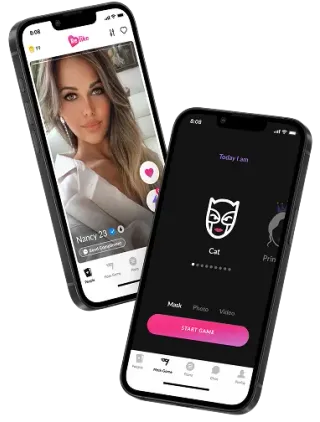
Relike can be one route into those conversations. Use the UK dating pages to explore the cities covered and choose a realistic local starting point. The purpose is to discover a possible connection, not to assume that a city page guarantees a particular person, response or number of matches.
Look for adult learning you would enjoy on its own
A structured course gives you something to do before you have anything personal to say. WEA community learning hubs are one example of adult learning provision in England and Scotland. Check the current local offer, eligibility, delivery format and booking arrangements rather than assuming every course is nearby or open to everyone.
The practical question is whether you genuinely want to learn the subject. A beginner course can give you a shared starting point, while a longer course may let familiarity develop. Neither promises the same people each week or a dating audience. Ask the provider about the format before signing up.
During a session, keep the activity first. Ask about an exercise, listen and allow people to concentrate. If a friendship develops, it can remain a friendship. A personal invitation belongs outside the teaching and should be easy to decline without making the next class awkward.
Volunteer as a contributor, not a prospect collector
GoodGym combines activity with helping communities, and its area directory lets you investigate local coverage. Browse the specific session and requirements: a group community task is different from an individual support role. Do not assume that one organisation covers every UK town or that all roles have the same joining process.
Shared work can make conversation straightforward because there is a practical question to ask. Find the organiser, learn what needs doing and take part reliably. You are there to contribute, not to turn a shift into a search for phone numbers. Service users must not be treated as dating prospects.
Among fellow participants, a comfortable exchange may lead to friendship or another shared activity. Let that be worthwhile without requiring romance. If you eventually make a personal invitation, respect the answer and keep your volunteering role separate from it.
Read a group walk as an activity description
The Ramblers walking information is a starting point for investigating organised walks. Read the current route, joining conditions, distance, terrain and meeting instructions. A walk advertised for experienced participants should not be treated as interchangeable with a short beginner outing.
A shared route can leave room for conversation, but it is still not a singles event unless explicitly described that way. Go because you want to walk and can manage the activity. Respect anyone who prefers a quieter experience, and do not use a remote part of a route to create an unwanted one-to-one encounter.
Likewise, do not turn an ambitious countryside walk into a first private date with someone you barely know. An organised group activity and a first meeting arranged through an app involve different expectations. For the latter, a simple public venue and your own journey home are a more manageable starting point.
Check what a singles event actually promises
A hosted singles event may suit you if you want the dating purpose to be explicit. Before booking, look at the organiser’s own information: who the event is intended for, its age guidance, whether it is seated or mingling, the venue, the cost and the cancellation terms. Do not infer those details from the word social alone.
Ask what happens if you arrive on your own and whether a host helps with introductions. Some formats suit short structured conversations; others expect participants to start exchanges themselves. Choose according to the experience you want, not an unsupported claim that a particular event guarantees a match.
Even when everyone attends a dating event, interest remains individual. A ticket buys access to the stated experience, not another person’s attention, contact details or consent to continue. Enjoy a good conversation, exchange details only by agreement and let a decline remain the end of the question.
Take the national advice into a real city
A method is useful only if it fits your week and your journeys. Use one local guide rather than treating the whole UK as a single dating radius. These city guides focus on introductions through participation, not simply restaurants to visit after you have matched.
- Where to meet singles in London: Build a routine that fits London journeys, with creative learning and community participation rather than a collection of fashionable postcodes.
- Where to meet singles in Manchester: Compare shared community tasks, reading discussions and cultural formats with the more familiar option of another night out.
- Where to meet singles in Birmingham: Separate an introduction through a class or discussion from the later choice of a place for an already-agreed date.
- Where to meet singles in Edinburgh: Look beyond the visitor itinerary towards creative activities and a social week you could sustain outside a busy event season.
- Where to meet singles in Liverpool: Creative workshops, shared reading and the distinction between Liverpool introductions and an agreed night out.
- Where to meet singles in Glasgow: Printmaking, dance and community participation without assuming that a friendly exchange means romantic interest.
- Where to meet singles in Leeds: Adult learning and shared community tasks for a wider circle beyond an unchanged pub-based routine.
- Where to meet singles in Bristol: Improv, drawing and adult learning with practical neighbourhood choices and current venue information.
Do not let a radius hide the actual journey
Two people can look close in a search and still have an awkward trip between them. Discuss a broad meeting area, a day and the kind of plan before committing to a venue. A person commuting by train may need a different finish time from someone whose journey stays within the city.
Smaller towns and rural areas may offer fewer suitable activities, but expanding your range should be a choice you can sustain. Consider whether you could repeat the journey, not only whether you could manage it once. Do not expect the other person to absorb all the travel or disclose their home address to prove that their limits are real.
If you are visiting, say how long you will stay. If you live locally, avoid treating a newcomer as less genuine because they do not know the same references. There is no single British dating script that overrides an individual’s preferences, background or availability.
Make a first invitation specific and easy to adjust
Once interest is mutual, offer a small plan: "Would you like coffee on Saturday afternoon somewhere central? Happy to choose another area if that is awkward." Adapt the idea to the actual conversation rather than copying it without context. Name enough of the plan that the person can answer.
Discuss the kind of spending involved before reserving something elaborate. There is no need to make a first date an expensive statement or to assume who will pay. A straightforward conversation about preferences is more considerate than relying on an imagined national custom.
If messages are the part that keeps stalling, use the UK online dating chat guide for openers, pacing and a clearer invitation. Moving forward should mean both people understand the next step, not that one has persuaded the other to ignore their own comfort.
Test a routine without turning the month into a target
Choose one activity you would enjoy regardless of dating and one dating-focused route. In the first week, check availability and joining arrangements. Attend an appropriate session, make a few ordinary introductions and notice whether the experience suits you. On an app, start a manageable number of thoughtful conversations rather than trying to maximise messages.
Over the following weeks, return where the format allows and the activity still interests you. Follow up on a previous topic instead of starting from zero. If a dating exchange develops separately, suggest a public meeting. This is a way to test your routine, not a deadline for finding a partner.
Keep what improves your week. Change what is consistently inconvenient or uncomfortable. A new friendship, a course you enjoy and a more confident invitation are meaningful results even if a relationship has not followed. You are building conditions for connection, not collecting evidence that you are succeeding or failing as a person.
Keep the first meeting under your own control
Retain your own transport options, tell someone you trust about the plan and choose a public setting. Do not send money or share financial information with a new dating contact. A persuasive conversation, a familiar accent or local knowledge does not establish trust on its own. Get Safe Online’s dating guidance offers further practical precautions.
Take the next step where it makes sense: choose a suitable local activity, improve one profile detail or make one respectful invitation. Meeting singles in the UK does not require a performance of constant confidence. It requires opportunities you can sustain, intentions you can explain and room for the other person to choose freely.
Frequently asked questions
What is a practical way to meet singles in the UK?
Combine dating-focused introductions with a social activity you genuinely enjoy. Apps or explicitly advertised singles events can clarify romantic intent; courses and community groups can widen your circle without guaranteeing a dating audience.
How can I meet people without going to pubs or clubs?
Investigate appropriate adult courses, reading discussions, volunteering or organised walks. Check the actual programme, joining rules and suitability rather than assuming any general activity is a singles event.
Are community groups a good place to look for dates?
They can broaden your social life, but their purpose comes first. Do not assume participants are single, pursue service users or make a shared space uncomfortable. Only explore a personal invitation when interest is mutual.
What if I live outside a large UK city?
Look for local options first and expand your range only as far as you can realistically sustain. Check the full journey and availability rather than relying solely on a distance radius.
How should I suggest a first date?
Offer a short public meeting with a day, broad area and room to adjust. Agree on practical details together and accept a declined invitation without repeatedly asking.
Is there a fixed set of British dating rules?
No single etiquette script applies to everyone. Discuss intentions, spending, communication preferences and exclusivity rather than inferring agreement from nationality or a friendly exchange.