
Texting has become one of the most important parts of modern dating. It is often where attraction starts, where emotional connection grows, and where confusion begins. Should you text first? How often should you reply? What should you say after a first date? And how do you know if someone is interested or just being polite?
Healthy texting is not about playing games. It is about clarity, timing, emotional balance, and knowing when to move from messages into real connection.
Why Texting Matters in Modern Dating
For many people, texting is the bridge between matching online and meeting in real life. A good conversation can create comfort and momentum. A confusing one can create anxiety, overthinking, and mixed signals.
The goal is not to write perfect messages. The goal is to communicate in a way that feels natural, honest, and mutual.
Core Principles of Healthy Dating Communication
Match Energy, Not Anxiety
You do not need to copy someone’s exact reply speed. What matters more is whether the effort feels balanced. If they ask thoughtful questions, respond with the same level of attention. If they only give short replies, do not overcompensate with long paragraphs.
Be Clear Instead of Strategic
Trying to seem unavailable or mysterious often creates confusion. Clear communication is more attractive than guessing games.
Respect the Pace
Strong connection does not require constant texting. Sometimes space helps the conversation feel more natural.
Look for Patterns
One delayed reply does not mean much. A repeated pattern of low effort, avoidance, or inconsistency matters more.
12 Dating Texting Rules That Actually Help
Rule #1: Match Their Energy, Not Their Timing
Focus on tone, curiosity, and effort. If they are engaged, be engaged. If they are distant, do not chase the conversation alone.
Rule #2: Stop Overanalyzing Every Text
Not every short message hides a deeper meaning. People have different texting styles. Look at consistency over time instead of one message.
Rule #3: Do Not Text Just to Fill Silence
Texting only to keep the conversation alive can make things feel forced. Silence is not always bad. It gives both people room to miss the conversation.
Rule #4: Keep It Light, But Not Shallow
Jokes and memes are great, but they should not replace real curiosity. Ask about interests, memories, goals, and experiences.
Rule #5: Know When to Move Conversations Offline
If the conversation is going well for several days, suggest a simple next step. For example: “I’ve really enjoyed talking with you — want to grab coffee this weekend?”
Rule #6: Avoid Paragraph Overload
Long emotional messages can feel intense early on. If the topic is serious, it may be better to save it for a call or date.
Rule #7: Use Emojis Wisely
Emojis can add warmth and tone, but too many can make the conversation feel less mature. Use them to support emotion, not replace it.
Rule #8: Do Not Play the Waiting Game
Waiting hours on purpose to seem less interested is outdated. If you want to reply, reply. Genuine communication is better than calculated timing.
Rule #9: Notice Effort, Not Frequency
Someone can text every day and still avoid real connection. Pay attention to whether they ask questions, remember details, and make the conversation feel mutual.
Rule #10: Send a Simple Text After a First Date
A good post-date message should be warm and clear. You can say: “I had a great time tonight,” or “You were really easy to talk to — I’d love to do that again.”
Rule #11: Recognize When Communication Fades
If replies become short, delayed, and less interested over time, it may be better to step back instead of chasing.
Rule #12: Move On Gracefully If They Do Not Reply
Sometimes silence is the answer. It is disappointing, but begging for closure rarely helps. Choose self-respect and mutual effort.
What to Text at Each Dating Stage
First Message
A good first message should be specific and easy to answer. Instead of “hey,” mention something from their profile or ask a simple open-ended question.
Recommended guide: Best First Messages on Dating Apps.
Getting to Know Each Other
At this stage, the goal is balance. Ask questions, but also share something about yourself. The best conversations feel like an exchange, not an interview.
After the First Date
Keep it simple, kind, and direct. If you had a good time, say so. If you want to meet again, make that clear.
Related: First Date Guide.
When Things Feel Unclear
If the conversation becomes emotionally confusing, it may be time to ask directly where things are going.
Recommended guide: How to Ask “What Are We?”.
Attachment Styles and Texting in Dating
The way someone texts often reflects more than their schedule. It can also reflect their comfort with closeness, uncertainty, and emotional availability. This does not mean you should diagnose someone through messages, but it does help to notice patterns.
Anxious Texting
Anxious texting often looks like needing fast replies to feel secure. A person may reread messages, worry about small changes in tone, or feel rejected when someone takes longer than usual to respond.
If this sounds familiar, try to pause before reacting. Ask yourself whether there is a real pattern of distance or just one delayed reply. Healthy dating communication should create clarity, not constant emotional panic.
Related: Attachment Style Texting.
Avoidant Texting
Avoidant texting can look like pulling away when the conversation becomes emotionally direct. Someone may enjoy flirting or casual messages but become distant when deeper feelings, plans, or expectations appear.
This pattern can be confusing because the person may seem warm one day and unavailable the next. Instead of chasing, look for consistency. Interest without reliability often creates more anxiety than connection.
Secure Texting
Secure texting feels calm, clear, and mutual. Replies do not have to be instant, but the communication feels respectful. Both people can express interest without games, pressure, or emotional guessing.
In secure communication, you do not feel like every message is a test. You feel safe enough to be honest and patient enough to let the connection grow naturally.
How Often Should You Text Someone You Are Dating?
There is no universal rule for how often you should text someone you are dating. Some people enjoy daily contact. Others prefer less frequent but more meaningful conversations. The important question is not “How many texts are enough?” but “Does this rhythm feel mutual and comfortable?”
Early dating usually works best when texting creates momentum without replacing real connection. If you are texting all day but never making plans, the relationship may stay stuck in a digital loop.
When Daily Texting Is Healthy
Daily texting can be healthy when both people enjoy it, the conversation feels natural, and it does not create pressure. A short check-in, a funny moment, or a thoughtful question can keep the connection warm.
When Daily Texting Becomes Too Much
Daily texting becomes too much when it feels like an obligation, a test, or the only way to feel secure. If you feel anxious every time the pace changes, it may help to slow down and focus on real-life consistency.
When Less Texting Is Still a Good Sign
Less texting is not always a bad sign. Some people are busy, less phone-focused, or simply better in person. If they still make plans, show up, remember details, and communicate respectfully, the connection may still be strong.
Texting Anxiety: Why You Overthink Messages
Texting anxiety happens when a message starts to feel like proof of your worth or the future of the relationship. A delayed reply can suddenly feel like rejection. A shorter message can feel like emotional distance. A missing emoji can feel like a warning sign.
This kind of overthinking is common in modern dating because texting removes tone, facial expression, and context. Your mind tries to fill in the gaps, often with worst-case assumptions.
How to Calm Texting Anxiety
- Look at patterns, not one message.
- Do not reread the same text repeatedly.
- Wait before sending an emotional reply.
- Ask for clarity instead of guessing.
- Move important conversations to voice, video, or in person.
Texting should support connection, not become the entire relationship. If a conversation repeatedly makes you feel unstable, the issue may not be your texting style — it may be the lack of emotional safety in the connection.
Texting Mistakes That Kill Connection
- Sending one-word replies with no curiosity.
- Using texting to test someone’s interest.
- Overexplaining too early.
- Turning every delay into a problem.
- Trying to force chemistry through constant messaging.
- Sending long emotional messages before trust is built.
Good Text vs Bad Text: Examples
Small changes in wording can make a big difference. A good dating text usually feels clear, warm, and easy to answer. A bad text often feels vague, pressured, passive-aggressive, or closed off.
Instead of a Dry Text
- Bad: “lol”
- Better: “That actually made me laugh. How did that even happen?”
Instead of a Pressure Text
- Bad: “Why aren’t you replying?”
- Better: “Hey, no rush — just checking if we’re still on for this week.”
Instead of a Vague Text
- Bad: “We should hang sometime.”
- Better: “I’d like to see you again. Are you free for coffee this weekend?”
Instead of Playing It Too Cool
- Bad: “Maybe, we’ll see.”
- Better: “I’d be up for that. Friday evening works for me.”
Good Text Examples for Dating
After a Great First Date
- “I had a really good time tonight — you’re easy to talk to.”
- “That was fun. I’d like to see you again.”
- “Still thinking about that conversation. Let’s do it again soon.”
When You Want to Reconnect
- “Hey, I saw something today that reminded me of our conversation.”
- “Hope your week’s been good — still up for that coffee?”
When the Vibe Is Fading
- “I’ve noticed we haven’t talked as much — are we still on the same page?”
- “If you’re not feeling this anymore, that’s okay. I just prefer honesty.”
How to Keep a Dating Conversation Going
A good dating conversation does not need constant jokes or perfect questions. It needs movement. Each person should be adding something that gives the other person a reason to respond.
The easiest way to keep a conversation going is to combine curiosity with self-disclosure. Ask something, but also share your own answer. That turns the conversation from an interview into a connection.
Use Open-Ended Questions
Open-ended questions create more space than yes-or-no questions. Instead of “Did you have a good weekend?” try “What was the best part of your weekend?”
Build on Their Answers
If someone tells you they love hiking, do not jump to a new topic immediately. Ask what trail they liked most, how they got into it, or whether they prefer mountains or forests.
Share Something About Yourself
If you only ask questions, the conversation can feel like an interview. Add your own thoughts, stories, or reactions so the other person can connect with you too.
When to Switch From Text to Call or Video
Texting is useful, but tone, humor, and chemistry often come through better by voice or video. If the chat feels promising, suggest a low-pressure call or video chat.
This can also help you avoid building a false connection with someone who only communicates well through text.
When Texting Becomes a Red Flag
Not every slow reply is a red flag. Not every short message means someone is uninterested. But some texting patterns can signal poor communication, low emotional availability, or unsafe behavior.
They Only Text Late at Night
If someone only reaches out late at night and avoids normal conversation during the day, they may not be looking for the same kind of connection you are.
They Avoid Making Plans
If the messages are flirty but never lead to a call, video chat, or date, the connection may be staying intentionally vague.
They Disappear and Return Like Nothing Happened
Inconsistent communication can create emotional confusion. If someone repeatedly disappears without explanation and returns when convenient, pay attention to the pattern.
They Pressure You
Pressure is always a warning sign. If someone pushes you to share personal details, photos, money, or private information before trust is built, slow down and protect yourself.
For more safety-focused guidance, read: Online Dating Safety.
Texting Red Flags to Watch For
- They avoid basic questions about themselves.
- They pressure you to move too fast.
- They refuse any voice or video interaction.
- Their story changes often.
- They make you feel anxious more than comfortable.
Also useful: Dating Red Flags.
Related: Emotional Readiness for a Relationship.
How to Move From Texting to a Real Date
Texting should eventually lead somewhere. If the conversation is good but never moves forward, it can become emotionally confusing. A simple invitation helps you understand whether the interest is real.
Simple Ways to Suggest a Date
- “I’ve enjoyed talking with you. Want to grab coffee this weekend?”
- “This conversation feels easier than most. Want to continue it in person?”
- “You mentioned loving Italian food — want to try that place downtown?”
The best invitations are specific but low-pressure. You do not need a dramatic ask. You just need clarity.
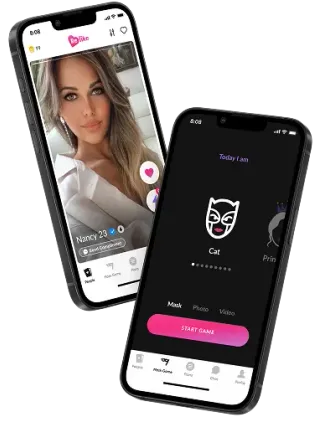
How Relike Helps You Move Beyond Endless Texting
One of the biggest problems in modern dating is that people can text for days or weeks without knowing whether there is real chemistry. Messages can create comfort, but they can also create a false sense of connection.
Relike is designed to help people move toward more real, safe, and natural interaction. Instead of staying stuck in endless chat, users can build connection through more authentic communication and safer discovery.
If you are tired of guessing through messages, Relike helps make dating feel more human again.
More Recommended Guides
Continue with these related guides to understand dating communication more deeply:
- Best First Messages on Dating Apps
- Attachment Style Texting
- Dating Red Flags
- How to Ask “What Are We?”
- Emotional Readiness for a Relationship
- First Date Guide
Conclusion: Connection Over Perfection
The goal of texting is not to impress someone with perfect timing or perfect words. The goal is to express interest clearly, notice mutual effort, and move toward real connection.
The right person will not make communication feel like a constant guessing game. They will make it feel safe, natural, and mutual.
FAQ: Texting and Communication in Dating
How often should you text someone you are dating?
There is no perfect number. A healthy rhythm depends on mutual interest, availability, and whether the conversation feels balanced.
Is double texting bad?
Not always. One thoughtful follow-up can be normal. Repeated follow-ups when someone is not engaging can feel pressured.
Should I text first?
Yes, if you want to. Healthy dating is not about pretending to care less.
Why do people become dry over text?
Sometimes they are busy, sometimes they have a different texting style, and sometimes they are losing interest. Look at patterns, not one message.
When should texting turn into a date?
If the conversation is flowing and both people seem interested, suggest a simple plan within a few days.
How do I know if someone is interested over text?
Look for repeated effort. Interested people usually ask questions, continue topics, remember details, and make the conversation feel mutual.
Is it bad if someone does not text every day?
Not necessarily. Some people do not like constant texting. What matters more is whether they communicate respectfully and make real plans.
What should I do if texting makes me anxious?
Slow down, look at patterns, and avoid treating every message as proof of rejection. If the uncertainty continues, ask for clarity directly.
Final Thoughts
Texting in dating does not have to feel like a game. The healthiest conversations are clear, mutual, and emotionally steady. You do not need to chase, decode, or perform. You need communication that helps both people understand each other better.
When texting supports real connection, it becomes a bridge. When it creates confusion, pressure, or anxiety, it may be a sign to slow down, ask for clarity, or move on.
Choosing a dating app in the US
If you are comparing platforms before dating locally, start with the best dating apps in the US. It connects app choice with safety, conversation quality and city-based dating pages.
Meeting singles in the US
For a country-specific strategy, see how to meet singles in the US. It connects dating apps, city pages, first messages and safer public plans.
Online dating chat in the US
If your matches fade before a first date, read online dating chat in the US. It covers first messages, dry texting, safer chat and city-based dating chat pages.