A reading group, Espai Avinyó activity and Voluntariat per la llengua partnership offer very different ways into Barcelona life. Start by asking what you want to contribute and which languages you can comfortably use. The neighbourhood matters later, when you know what you can join and whether a particular person actually wants a separate invitation.
Choose the introduction before choosing the neighbourhood
If you already have someone interested in meeting, selecting a cafe is practical planning. If you do not, another list of attractive addresses leaves the earlier problem unsolved. Look for a shared task, an organised conversation or an explicitly dating-focused introduction. Those formats do not guarantee chemistry, but they make it easier to understand why people are interacting.
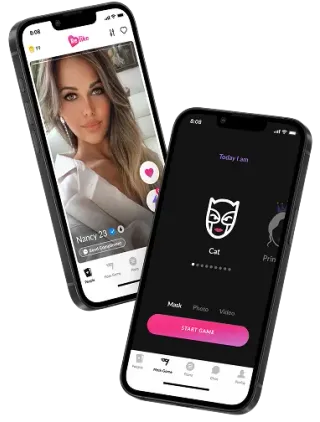
For that clearer romantic context, explore Barcelona singles on Relike. State what you want and be honest about living locally or visiting. Alongside that, choose activities you would enjoy without a romantic result. A broader circle is valuable without every new acquaintance needing to become a date.
Library reading groups: check the actual discussion language
Barcelona's City of Literature information provides a starting point for researching reading clubs. CPNL also describes Catalan reading groups using adapted texts. These are different routes to investigate, not interchangeable promises of an English-language book discussion.
Read the current club details and ask about registration, preparation and level. A book supplies something to discuss without beginning with personal questions. Listen to interpretations different from your own and contribute to the subject. The recommendation is about the discussion format; it does not establish that members are single, open to dates or looking for a private invitation.
Espai Avinyó: read the cultural format rather than the label
The city identifies Espai Avinyó as a language and culture resource. Its programme is worth researching if intercultural discussion interests you. Check the actual session, audience and joining requirements rather than assuming that a general cultural listing means open conversation at any time.
A facilitated discussion asks for a different kind of participation from watching a performance. Choose something you genuinely want to understand, not a subject you think will place you near potential dates. Ask about the language before attending and let people speak for themselves rather than treating a cultural background as a shortcut to personality or dating preferences.
Voluntariat per la llengua is a language partnership, not matchmaking
The official Voluntariat per la llengua information describes pairing people to practise Catalan, with schedules and interests considered in arranging language partners. That is a learning format to research if you want the practice and meet its requirements. The word partnership should not be confused with a romantic introduction.
Treat the other person's time as language time. Prepare something to discuss, respect the programme's conditions and ask the organiser about eligibility rather than assuming a tourist can join immediately. If your only goal is a date, use a setting that states that intention. A person offering conversational practice should not have to manage an undisclosed romantic expectation as the price of helping.
Use a civic programme only after checking who can join
A city activity listing can describe a one-off event, a recurring group or something aimed at a specific audience. Verify the particular format before travelling. A listing remaining online does not tell you there are spaces today, and an institution being public does not make all of its programmes drop-in.
Write a practical question to the organiser: what preparation is needed, how registration works and which language participants use. That information helps you decide whether you can contribute, not just attend. It is better to choose a modest activity that genuinely fits than to book an impressive-sounding programme and expect staff or another participant to fill in everything you missed.
Gràcia, Sant Antoni and Poble-sec are planning choices
A neighbourhood reference helps you locate an activity and discuss a journey. It does not tell you who is available to date or which values you will share. You can like the same district and still want different relationships, so ask directly about intentions rather than using a Barcelona postcode as a compatibility filter.
For a recurring commitment, choose a route you can manage on an ordinary day. Think about the time needed after work and how you will return. A convenient programme near an existing routine may be more useful than a fashionable address you will keep cancelling. Becoming familiar to a group comes from participation, not from knowing which district sounds socially impressive.
Build a language plan that does not depend on a stranger translating
Researching an activity in English and attending it in English are different things. A translated webpage may explain a programme delivered in Catalan or Spanish. Ask about the actual session and how much fluency the task requires. A reading discussion, a practical exercise and an informal conversation can have very different demands.
On a dating profile, language is also something to state or ask about rather than infer from a name. Describe your own comfort honestly. Learning can be an interest you share without becoming the other person's responsibility. Nobody owes an English conversation, a language lesson or a date simply because you are new to Barcelona.
Stay clear about the difference between a visit and a local routine
Someone based in Barcelona year-round may have different expectations from someone leaving next week. Explain a known departure before suggesting future plans. A short-term connection can be welcome when both people want it, but should not be disguised as the beginning of regular local dating.
You do not need to reveal an exact address or work schedule to be clear. Broad availability and honest circumstances are enough for early conversations. If you are still deciding how long to stay, say what is uncertain rather than inventing certainty. Let the other person make an informed choice about whether that situation fits their own life.
Notice mutual conversation before offering a personal invitation
A person making a newcomer feel welcome is not necessarily signalling romantic interest. Look for reciprocal conversation and a moment when an invitation can be comfortably declined. Ask once, without cornering somebody during a task or making them feel that cooperation in the activity depends on the answer.
If exchanging details is welcome, refer to the discussion you actually had rather than sending a generic follow-up to everyone in the group. Administrative access to a list or chat is not permission for private dating messages. A no should leave the ordinary activity comfortable for both people at the next session.
After the introduction, choose one Barcelona meeting
Use the Barcelona dating page for local planning once a date is mutually welcome. Choose a particular public venue, entrance and manageable time together. Ask about walking, spending and language before adding a meal or another activity.
A first meeting does not need to cover several neighbourhoods or become an entire sightseeing afternoon. An optional extension can stay optional. Checking current venue information is part of planning, not a way to promise an atmosphere or romantic result. A simple meeting can tell you whether you want another without requiring a stranger to commit to a long itinerary.
Match the Barcelona format to the conversation you want
A reading group asks you to engage with a text and the group's discussion language. An Espai Avinyó listing needs to be read as a particular cultural activity, not a standing social invitation. Voluntariat per la llengua has a learning purpose and participation requirements of its own. Compare what preparation each needs and whether it fits the time you will be in Barcelona. If you want a date rather than a learning partnership, use a dating-focused introduction instead of asking an organiser to solve that different problem.
Relevant resources: the dating communication guide.
Choose something Barcelona can add to your week, not promise to your love life
Investigate one programme properly and give it an honest purpose: reading, Catalan practice, a cultural subject or a clearly stated dating introduction. Check preparation and participation before attending. You can decide whether a format suits you without measuring the evening only by whether it produced a phone number.
Choose the Barcelona route you can explain in one sentence: a book you want to discuss, a cultural subject you want to explore, or a language commitment you genuinely intend to keep. That gives the first conversation substance without making Gràcia, Sant Antoni or Poble-sec responsible for your romantic prospects. Next step: create a Relike profile.
Frequently asked questions
Where can I meet singles in Barcelona outside clubs?
Use dating-focused introductions alongside participatory interests such as suitable reading or cultural activities. Ordinary members are not necessarily single or interested in dates.
Are Barcelona library clubs in English?
Check the particular group. Different clubs use different languages, and CPNL specifically describes Catalan reading practice with adapted texts.
Is Voluntariat per la llengua a dating programme?
No. It is a Catalan-practice partnership. Check eligibility and participate for language learning rather than treating a partner as a romantic match.
Can I attend any cultural activity as a visitor?
Check current registration, audience and attendance requirements. A public webpage does not guarantee drop-in access or an available place.
Should I say how long I am staying in Barcelona?
Yes. Explain known travel plans before conversations imply an ongoing local relationship.
What should follow a mutually welcome introduction?
Agree on one public venue, entrance and manageable time. Discuss journeys and spending, leaving any extension optional.