Knowing where to take a date in Birmingham does not answer where to meet someone in the first place. A restaurant reservation works only after two people have agreed to go. For the earlier step, look at activities that make introductions ordinary: learning a skill, discussing a book or contributing to a community project.
Start with the difference between an outing and an introduction
Digbeth, the Jewellery Quarter and the city centre all give you places to spend an evening. None guarantees that a stranger wants a conversation. If your aim is to meet singles in Birmingham, combine explicit dating opportunities with a broader social routine rather than asking a neighbourhood to do both jobs.
An outing is something you can do alongside strangers without speaking. An introduction-friendly format gives people a task, discussion or shared learning experience. Both can be enjoyable, but they solve different problems. Choose the second when you want more chances to exchange names naturally.
The Birmingham dating page helps with local context and meeting areas. Here the focus is participation: how to join, what to ask and when an ordinary conversation might become a separate invitation. No community activity should be treated as a catalogue of available dates.
To decide whether you need clearer dating intent or simply a wider social routine, use the national UK singles guide; the Birmingham options below put that choice into a local setting.
MAC can make a shared interest tangible
MAC publishes courses and workshops, including adult options. Use the current subject pages to find something you genuinely want to try, then check level, course length, materials and booking conditions. The right choice is the one you would enjoy even without a romantic introduction.
A class gives you a subject to return to. You can ask how another participant approached an exercise or whether they have tried the medium before. Keep conversation appropriate to the teaching format; someone concentrating on their work should not have to manage a persistent personal approach.
A longer course may provide continuity, but signing up does not guarantee the same group composition or social outcomes. If you become friendly, suggest an optional coffee after a session. Make it easy to decline and keep behaving normally in class afterwards. The shared activity needs to remain comfortable for everyone.
Library reading groups offer a quieter starting point
The council's reading-group directory lists groups across Birmingham libraries. It explicitly advises checking with the library because dates can change and some groups may be full. Confirm the age range and joining arrangements rather than relying on an old schedule.
For someone who dislikes loud bars, discussing a book is a different route into conversation. Read the selection, listen and ask a question about the story rather than trying to dominate the room. You are joining readers, not a speed-dating session.
If the nearest group is full, ask the library about alternatives instead of arriving anyway. A slightly different genre might be worth exploring, but a much longer journey can make regular attendance difficult. A sustainable activity close to your routine often makes more sense than chasing a supposedly perfect social audience.
Volunteering adds a purpose beyond meeting someone
Birmingham Voluntary Service Council provides information about getting involved in volunteering. Follow current opportunity information and contact the relevant organisation about eligibility and commitments. Some roles require preparation, safeguarding checks or specific skills.
Choose a role because the work matters to you. Ask what the project needs, show up reliably and respect the people it serves. Shared responsibility can help you meet fellow volunteers, but nobody owes you a personal conversation or date because you helped.
This distinction matters particularly in support settings: service users may be vulnerable or dependent on an organisation. Do not use a role to pursue them. Among peers, let friendship develop without pressure, and keep any social invitation separate from the obligation to complete a task.
Use Birmingham quarters to narrow a meeting, not label people
The Jewellery Quarter and Digbeth offer different local contexts, while Moseley, Harborne and Edgbaston may fit other routines. Those distinctions are useful when agreeing where to meet. They do not tell you a person's values, availability or relationship goals.
Ask a practical question: "Would the centre be easiest, or would you rather meet closer to your usual side of the city?" Explain your own limits without asking for a home address. Someone travelling into Birmingham can have a different workable evening from someone living near the proposed venue.
Keep the plan compact. A first meeting does not need drinks in one quarter, dinner in another and a late journey to a third. Choose a public venue both people understand, then leave space to decide whether to continue. A short meeting that ends warmly is not a failed date.
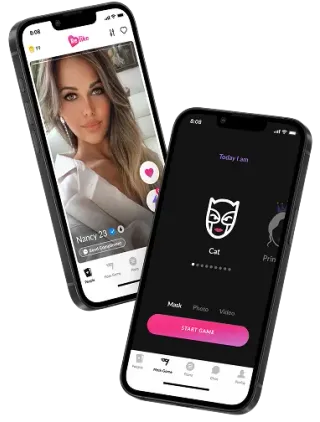
Let dating intent be clear on Relike
Use the Birmingham singles page when you want the introduction to be about dating rather than hoping a classmate happens to be available. Be specific about your interests and what sort of connection you are looking for, without promising more than you know.
A useful opener could mention a hobby they included: "You said you are learning something creative this year. What have you tried so far?" It offers room for a real answer. Asking several intimate questions immediately, or sending a copied compliment with a city name attached, does not establish trust.
After a reciprocal exchange, suggest a small next step with an alternative. "Would coffee in the Jewellery Quarter suit this weekend, or is another area easier?" is a proposal rather than a demand. Their willingness to discuss a plan matters more than how quickly they answer one message.
What to do if your social circle has stopped growing
Audit the routine rather than blaming the city. Are you always attending with the same friends and only speaking to them? Are your activities mostly silent or solo? Are you choosing events too far away to repeat? Each problem suggests a different adjustment.
Try one change for a few weeks: a participatory course instead of another passive outing, a smaller discussion instead of a loud room or one recurring commitment instead of random one-off plans. Give yourself enough time to learn names without setting a deadline for finding a partner.
If you make friends but no dates, that does not mean the activity was pointless. Keep the friendships and use a dating-specific route for romantic introductions. A broader social life can improve your week without needing every new connection to justify itself as a potential relationship.
A small invitation is easier to answer than a grand gesture
Imagine a conversation with someone you met through an adult course. You have spoken comfortably a few times, they ask questions back and there is an appropriate moment after the session. "I have enjoyed talking with you; would you like a coffee sometime outside class?" gives them a choice. It is different from treating the shared class as an automatic agreement to date.
If the answer is yes, discuss a public place and a realistic day. If it is no, accept it once and continue being considerate. Do not recruit other participants to persuade them, ask the tutor for private information or interpret their next friendly greeting as a reason to repeat the invitation. Shared spaces need to remain accessible after a personal answer.
On a dating app, the intent may already be clearer, but the same principle applies: make a proposal rather than a demand. A modest invitation is not less serious than a dramatic one. It creates space for the other person to participate in the plan instead of feeling that an expensive reservation has already decided the evening for them. That is a better foundation for a first Birmingham meeting than trying to prove enthusiasm through pressure.
Turn a promising exchange into a considerate first date
Confirm the place, day and approximate length before setting off. Tell a friend about the meeting, arrange your own journey and choose a public setting. You do not need to agree to a private home, a long drive or an expensive evening to demonstrate interest.
If the person requests money or pressures you into secrecy, step back. If the conversation is simply not right, you can say so without a dramatic explanation. Mutual curiosity is enough reason to meet once; it is not a contract to continue.
The useful Birmingham plan is therefore two-part: join something you would genuinely return to, and make clear invitations in a context where dating is welcome. That leaves room for learning, friendship and attraction without treating every café or class as a test you have to pass.
Questions before you go
Where can I meet singles in Birmingham away from nightlife?
Adult courses, reading groups and suitable community activities can expand your network. They are not automatically singles events, so use a dating service when you want romantic intent to be explicit.
Are MAC classes specifically for singles?
No. Choose an appropriate adult course for the activity itself, check booking conditions and respect other participants. A friendly class conversation does not imply romantic interest.
Can I turn up to any library reading group?
Check with the library first. The council directory notes that dates can change and some groups are full; age ranges and membership arrangements also differ.
Which Birmingham quarter is best for a first date?
Choose according to your shared journey and preferences. Jewellery Quarter, Digbeth and other areas are options, not guarantees of a particular dating experience.
How can I meet people if I commute into Birmingham?
Pick an activity near a journey you already make and confirm its finish time. For a date, agree on an area and length that leave both people a realistic way home.
Should I ask someone out during a community activity?
Only when a conversation is clearly mutual and the setting allows a respectful invitation. Do not interrupt the work, pursue service users or make continued participation uncomfortable after a decline.