Boardgame Monkeys, Cityfab1 and Babbelut offer three distinct Brussels starting points: a game, a making activity and Dutch practice. Choose by the interaction you want rather than by how international the audience sounds. A useful session gives you something to contribute beyond another introduction about work, while leaving dating intentions to a separate, welcome exchange.
Start with an actual organiser rather than a neighbourhood stereotype. Investigate an appropriate Boardgame Monkeys session, a Cityfab1 training or a Babbelut conversation table if you want to practise Dutch. Each has its own purpose, audience and joining conditions. None should be described as a singles event unless the organiser explicitly makes it one.
Choose a Brussels gathering where you can contribute something
Before opening a long events list, decide what you would enjoy doing with other people. If you like learning rules and solving shared problems, a game table may suit. If you want to work with materials or equipment, a making course offers another kind of participation. If you want language practice, choose the language and level you actually need.
This is more useful than searching for a guaranteed social atmosphere. A gathering can be welcoming while offering little opportunity for the kind of exchange you want. A talk may mainly involve listening; a game may require concentration; a workshop may have safety or access requirements. Knowing the format helps you choose a setting you can enjoy honestly.
Consider the time you can offer too. One suitable session can be a better start than joining several groups and cancelling most of them. Other participants and organisers make plans around attendance. Pick a commitment you can keep rather than treating every event as an interchangeable opportunity to search for a date.
Try an English-language game table through Boardgame Monkeys
Boardgame Monkeys Brussels describes English-language events for modern boardgamers and roleplayers, with players of different skill levels welcome. The organiser asks participants to RSVP. Read the actual table's current details for the game, location, expected length and remaining places instead of assuming any listed session has room for another player.
A game makes an introduction practical: you can say whether you have played before, ask about a rule and learn alongside other people. Give the explanation your attention and allow other players their turns. Being a considerate participant is more useful than trying to turn every pause into a personal question.
The group has its own expectations, including support for the host venue and responsible attendance. Check those before joining. A game table is not a dating service, and another player's friendliness does not establish availability. If you enjoy the experience, returning can create continuity without requiring the first session to produce a private invitation.
Choose a game that leaves room for the experience you want
Modern boardgames and roleplaying sessions can differ considerably. Some require sustained attention to a long explanation; others give more room for casual talk. Ask the host about the format if the listing is unclear. You do not need to pretend to be experienced, but you should want to play the game you are reserving a seat for.
Arrive ready for the agreed start and tell the organiser promptly if your plans change. A missing player can affect the whole table, so avoid treating an RSVP as a casual bookmark. If you would only stay when you find someone attractive, this is not the right format for your purpose.
Let conversation grow around the game first. Ask what somebody likes about it or what they would recommend to another newcomer, and share your own reaction. If you later want to continue talking outside the session, make that a separate invitation. A table works best when everyone can enjoy the activity without managing romantic expectations.
Look at Cityfab1 when you want to learn by making
The City of Brussels training information for Cityfab1 identifies a digital-fabrication space in Laeken and different training formats. Use the operator's current programme to investigate a particular course. Check language, preparation and access rather than assuming an English information page means every session is taught in English.
Choose something you want to make or understand. A first conversation can concern the project, a design choice or a technique the instructor has explained. Pay attention to training and equipment rules, and ask before interfering with someone else's work. A workshop is an opportunity for participation, not a place to demonstrate expertise you do not have.
This route can appeal if you find unstructured mingling tiring. A shared task gives you a reason to speak without requiring a dramatic opening line. The useful result may be a skill, a project or an acquaintance. Romantic interest, if it becomes mutual, remains a separate conversation rather than the purpose of everyone else's booking.
Use Babbelut for Dutch practice, not as an English expat mixer
The Babbelut Muntpunt information describes a conversation table with a Dutch-speaking volunteer and expects basic Dutch. It also notes exceptions around Dutch-language school holidays and public holidays. Check the current session rather than treating the general programme as a promise for any date you happen to choose.
Go because you want to practise Dutch and contribute to that conversation. You can bring a topic, ask about an expression and make room for others learning at a different pace. An English-language description helps you understand the activity; it does not change the activity into English conversation.
Someone encouraging you to speak may simply be helping with language practice. Enjoy that exchange without treating it as a romantic signal. If you want a date rather than a learning session, use an explicit dating route instead. Both experiences can be useful in a Brussels life without being made responsible for the same outcome.
Give Ixelles, Saint-Gilles and the Marolles a practical role
Use neighbourhoods to narrow a meeting, not classify the people you hope to meet. Ixelles, Saint-Gilles, the Marolles, Sablon and the Flagey area may each fit a particular activity or journey. None tells you a person's preferred language, relationship intentions or willingness to spend time with you.
The same familiar place can have names in more than one language, so confirm the address rather than relying only on a name somebody interprets differently. Choose one public entrance when the meeting is agreed. A broad preferred area is enough for planning; you do not need another person's private home or workplace address.
If somebody suggests a different neighbourhood, treat it as a way to make the plan better. You are not testing how much inconvenience they will accept to prove interest. A first meeting that fits both journeys can leave more attention for conversation than an impressive location chosen only around one person's routine.
Pick the Brussels task that leaves you interested in returning
At a game table, consider whether you want a game whose rules you can learn comfortably. For Cityfab1, look at the actual making activity and the access or preparation it requires. For Babbelut, keep Dutch practice central rather than treating it as an English-language mixer. The distinction is what you will be doing together. After that decision, choose a location you can reach consistently; Ixelles, Saint-Gilles and the Marolles are planning references, not descriptions of compatible partners.
Relevant resources: the Brussels singles page.
Move from a mutual exchange to one clear Brussels meeting
When conversation is reciprocal, suggest a possible time and a short public format. The Brussels dating page helps connect the introduction to local planning. Compare areas, then confirm the actual venue and entrance. A vague after-work suggestion leaves too much for the other person to organise.
Discuss approximate length and spending before making reservations. A brief drink need not automatically become dinner, and an activity needing a booking should follow agreement. Leave room for another suggestion without treating a preference for a smaller plan as a lack of interest.
For the wording, use the dating communication guide to make the invitation answerable and considerate. Adapt it to the person and subject you already discussed. A message should help somebody choose freely, not make a refusal harder through an elaborate plan you have prepared alone.
Build a Brussels circle without making every contact romantic
Try one activity-led route and one dating-focused route rather than expecting a single event to do everything. Contact the organiser of the activity that interests you, check the conditions and attend ready to participate. Separately, give a genuine personal conversation time to become mutual before proposing a date.
Afterwards, ask whether the format worked. Did you enjoy the game, follow the language or want to continue the project? Would you return if the people you met remained acquaintances? Those questions help you build a sustainable social circle instead of assessing every evening by the number of contacts you obtained.
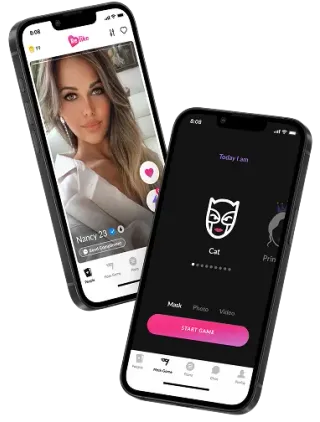
Give your next Brussels enquiry a practical subject: the game, the project or the language you want to practise. That offers a better opening than another general expat-networking pitch. Keep romantic introductions explicit when that is your priority, instead of expecting a workshop or language table to advertise everybody's availability. Next step: make a Relike profile.
Frequently asked questions
Where can I meet singles in Brussels outside professional receptions?
Combine explicit dating introductions with interests you enjoy, such as an appropriate game session or creative training. Ordinary participants are not necessarily single.
Are Boardgame Monkeys sessions conducted in English?
The organiser describes its events as English-language. Read the actual event and table details and RSVP before attending.
Can I assume Cityfab1 training is in English?
No. Check the language, audience, access and preparation for the particular course with the organiser.
Is Babbelut Muntpunt an English conversation event?
No. It is for practising Dutch and expects basic Dutch. Consult the current programme, including holiday exceptions.
Which Brussels neighbourhood is best for meeting someone?
Choose around the activity and both journeys, then confirm a precise public address. A district does not determine compatibility or language preferences.
How do I suggest a first Brussels date without pressure?
Offer one possible time and a manageable public format. Agree on the address, length and spending before booking, and leave room for an alternative or a no.