A packed Tube carriage is not a social circle. London puts you close to thousands of people while making it surprisingly easy to spend an entire week talking only to colleagues. If you want to meet singles in London, start with a setting where speaking to someone makes sense: a beginner class, a shared task or an event built around something you actually care about.
Choose a repeatable London evening, not a famous postcode
The useful question is not which neighbourhood contains the most single people. You cannot reliably infer relationship status from an address. Ask instead where you could turn up often enough to recognise people and have a natural reason to talk. A glamorous bar on the other side of London may be less useful than a modest course you can reach after work.
Decide what you can sustain before browsing events. One evening near your normal route, a clear spending limit and an activity you would enjoy without a date form a workable starting point. If getting home requires a journey you already resent, you are unlikely to return. Familiarity comes from returning, not from collecting a different venue every Friday.
For the broader neighbourhood picture, use the London dating page. Treat the locations as options to discuss with someone, not evidence that everyone there wants to be approached. A city guide helps with geography; an organised activity gives you the missing social introduction.
If the wider question is how to expand your circle rather than which London venue to choose, start with the UK guide to meeting singles and select a format you can sustain.
Creative courses give the first conversation a subject
City Academy lists adult dance courses in London, including beginner options. Check the particular course location, level, dates and joining arrangements before paying. This is a route into an interest, not a singles service, and a partner-based class does not imply permission to flirt with every partner.
A useful opening stays inside the activity: ask whether someone has tried the style before or how they found a particular exercise. Let that exchange end when the lesson resumes. If conversation becomes mutual across sessions, suggest a short drink afterwards rather than interrupting the class with a personal invitation.
Choose the format honestly. A multi-session course offers chances to recognise the same faces, while a one-off taster lets you test whether the activity suits you. Neither guarantees an ongoing social group. Read the organiser's attendance rules, and never join an advanced class simply because its promotional photographs look appealing.
Volunteer because the task matters first
The Mayor of London's volunteering information points to opportunities and local volunteer centres. Look for a role that fits your interests and availability; some require an application, training or a longer commitment. A visible listing is not an invitation to arrive unannounced.
Shared work can make introductions less forced because there is something practical to discuss. Ask how to help, learn people's names and respect the coordinator. Do not turn a shift into a search for phone numbers, and be especially careful not to approach service users as potential dates. The community purpose remains the reason to attend.
If a friendship develops among fellow volunteers, allow it to exist without requiring a romantic outcome. That is still a meaningful expansion of your London life. A healthy network includes people who introduce you to other activities, not only people you might eventually date.
Use the South Bank programme, not just the river view
The Southbank Centre programme includes literature, talks and workshops alongside performances. Choose a current event whose format gives you a reason to participate. A seated concert can be enjoyable, but the fact that you share an auditorium does not make conversation with strangers easy or expected.
Before booking, distinguish an audience event from a discussion or workshop. Read age guidance, access information and ticket conditions. You might go with a friend, speak to someone during an appropriate break or simply discover a programme worth returning to. None of those outcomes requires treating the foyer as a dating event.
When an exchange does happen, refer to the subject you both just encountered: a question from the talk or a disagreement about the work. That is more considerate than opening with appearance. If they give a brief answer and turn back to their group, leave the conversation there.
Match the neighbourhood to your actual plan
Soho and Shoreditch are possible choices for an evening you have already arranged, but they should not be shorthand for guaranteed social success. Camden, Islington and Greenwich offer other parts of the city to consider when agreeing on a meeting area. Your shared interests, budget and journeys matter more than a fashionable label.
Ask for a broad area rather than an exact home address: "Would Angel be convenient after work, or should we look closer to your route?" Give room for a different suggestion. Londoners can live in the same city and still face a substantial journey to meet each other; compatibility includes the effort both people are willing to make.
Keep the first plan in one part of town. A long itinerary linking several distant districts turns an introduction into a logistics exercise. Choose a public meeting point, name the venue entrance and leave enough flexibility to end after one conversation. Extending a good meeting should be a shared choice, not part of a prepaid marathon.
When you want dating intent to be explicit
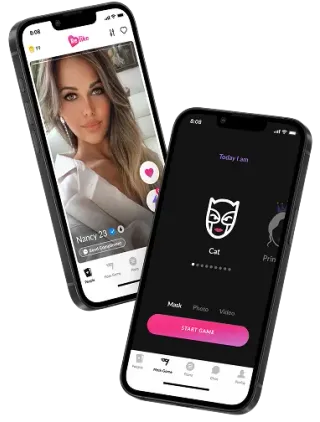
Community activities broaden your network, but they do not tell you who is available. Use a dating context when clarity matters. On Relike, describe the kind of connection you are looking for and the broad parts of London you can realistically meet in. Do not claim to be open to every possibility simply to receive more replies.
The London singles page is the dating-focused next step from this guide. Start with a detail from the other person's profile, then ask one question they can answer comfortably. A message about an interest is more useful than a generic demand for a favourite bar.
Once replies are reciprocal, move from abstract compatibility to a small proposal: "You mentioned learning to dance. Would you prefer coffee and a chat this weekend, or a short evening meet next week?" Keep the invitation independent of any class they attend. You should not make someone feel they must accept a date to remain comfortable in a shared community.
A manageable fortnight beats an exhausting search
For the first week, investigate one course or volunteer role and attend one suitable event. Introduce yourself where the format allows, then note whether you would return for the activity itself. Alongside that, have a few genuine dating conversations rather than sending the same opener to a long list of people.
In the second week, return if it is appropriate and the first experience suited you. Follow up on a previous topic instead of starting from zero. If a dating conversation has developed separately, offer a specific public meeting with an easy alternative. You do not need a personal deadline for finding a relationship.
Measure progress by the quality of your social routine: did you find a group you like, learn something and make a few comfortable introductions? A fortnight without a date is not proof that London is impossible. It may show that you need a different format, a more convenient location or more time to become familiar.
Make an invitation precise enough to answer
"We should get a drink" can remain an idea for weeks because neither person knows what is being offered. Once you have established mutual interest, try a proposal with three parts: a day, a broad area and a small activity. Leave the exact venue open until you know that the outline suits. That gives the other person something to accept or adjust without asking them to organise your evening.
For example: "I enjoyed hearing about your course. Would you like to meet for coffee around Islington on Sunday afternoon? Happy to choose another area if that journey is awkward." This is an illustrative invitation, not a line to copy into every chat. Use it only when it follows a real conversation and an invitation would be welcome.
If the answer is no, accept it. If they offer a different time, continue planning together. If there is no answer, do not turn up at their activity or workplace to ask in person. London logistics are worth discussing, but they should never become a reason to ignore a boundary.
Keep first meetings separate from financial pressure
Do not send money, buy investments or pay a stranger's supposed emergency costs to secure a meeting. Choose a public venue, arrange your own journey and tell someone you trust about the plan. If another person pushes for secrecy, your address or an immediate private meeting, you can stop replying.
You can also decline a perfectly ordinary invitation because the timing or connection is wrong. A clear "I enjoyed talking, but I do not want to take this further" is kinder than inventing endless scheduling problems. Finding people in London is a social process, not an obligation to turn each friendly exchange into a relationship.
Start with one London commitment you would keep even without romance. Add explicit dating conversations when you want them, and let an invitation follow mutual interest. That combination makes the city feel smaller without pretending that a list of bars can do the work for you.
Questions before you go
Where can I meet singles in London without relying on bars?
Try an adult beginner course, an appropriate community activity or an event with a participatory format. Check joining rules first. These settings help you meet people, but attendees are not necessarily single.
Is joining a dance class a way to find a date?
It can widen your social circle if you genuinely want to learn. Respect the class purpose and personal boundaries; partner exercises are not invitations to flirt. Ask someone out only when interest is clearly mutual.
Which London area should I choose for a first meeting?
Choose somewhere both people can reach comfortably. Agree on a specific public venue and entrance rather than only naming a large district such as Shoreditch or Camden.
Can I use Relike alongside meeting people offline?
Yes. Keep your dating intentions clear online while using activities to build a broader social life. Neither approach requires you to abandon the other or promise a date before you are comfortable.
How do I know whether an event is specifically for singles?
Read the organiser's current listing. A singles event should state that purpose; a workshop, volunteering shift or general cultural event should not be assumed to have a dating audience.
What if I keep meeting people but no romantic connection develops?
Keep activities that genuinely suit you and adjust those that do not. Look for reciprocal interest rather than pressuring yourself or others. Friendships and a sustainable routine are worthwhile outcomes too.