Another aperitivo can be a pleasant way to spend an evening in Milan without changing your social circle at all. The useful question is not only where people gather, but what lets you join a conversation. A shared task, an activity you return to or an explicit dating introduction gives you more to work with than a crowded terrace.
Start by considering three different routes: a participation group at Cascina Cuccagna, an appropriate creative course and a reading activity you genuinely enjoy. Then use dating-focused introductions when you want mutual romantic interest to be part of the conversation. These routes do not deliver the same experience, and none makes other participants automatically available.
Meet people by contributing to something at Cascina Cuccagna
Cascina Cuccagna's participation groups offer a specific starting point for community involvement. Gruppoverde works around the shared educational garden; other groups have their own interests and joining arrangements. Read the individual description and contact the group whose work appeals to you, rather than arriving expecting an unstructured singles mixer.
A task can make the first exchange straightforward. Ask where help is needed, explain what experience you have and learn the way the group works. There is no requirement to invent a charming introduction before you have contributed anything. A conversation can grow from doing something together and seeing how other people approach it.
Choose this route if you would care about the project without a dating outcome. Volunteering is not a low-cost ticket to somebody else's attention. Be reliable about the time you offer, and ask the organiser about suitability and preparation. People who are busy coordinating a task may be welcoming without having time for a personal conversation right then.
Try a creative course for the subject, not a promised social result
The Cuccagna events programme also lists different activities, including adult theatre formats. Check the current listing rather than an earlier course page: the level, age group, registration and commitment can change. Ask about the language required and whether joining partway through a run is possible.
An activity like theatre can involve working with unfamiliar people, but the exercise defines the interaction. Follow the teacher's instructions and do not treat an expressive performance or an assigned partnership as evidence of attraction. A useful question concerns the work: what somebody found difficult, interesting or surprising about the exercise.
Creative participation is a good alternative if you dislike making conversation with no shared context. It is a poor fit if you would resent spending the evening learning rather than finding a date. Choose a subject you can be curious about, and let the course remain a worthwhile commitment even when the people you meet become acquaintances rather than romantic interests.
Use a reading activity to move beyond your work introduction
Milan's municipal library information includes cultural activities, workshops and reading groups among its services. Use that as the start of a specific enquiry: which branch has a suitable current group, what is being read and what registration or preparation is needed? Quiet study space and a discussion group serve different purposes.
Bring something to say about the text instead of introducing yourself only through your job. You might ask why another reader changed their opinion of a character, then offer your own interpretation. It gives conversation a shared reference without asking anybody to disclose private experiences to a stranger.
For someone new to Milan, a discussion can also show whether the language and pace suit them. You do not have to perform fluent Italian to be worth talking to, but you do need a format in which you can participate. Ask the host honestly about that fit rather than expecting another member to translate an entire session.
Brera, Isola and Porta Romana are planning choices, not dating categories
Use the official YesMilano neighbourhood guides to orient yourself, then choose around an actual activity or invitation. Brera, Isola, Porta Romana, Porta Venezia and Navigli give you different geographical options. They do not tell you what a particular person wants, how much they spend or which language they prefer.
A convenient area is one that works for both people at the time you are actually meeting. Somebody who works near one district may live elsewhere, or may not want a personal introduction near their workplace. Ask about a broad preferred area without requesting a private address or expecting an explanation for every boundary.
This keeps local knowledge useful without making it a performance. You can suggest a neighbourhood because the journey makes sense, not because it sounds fashionable. Once you agree on the area, move to a named public venue and entrance. A district name alone leaves too much room for different assumptions.
An aperitivo becomes social when there is a welcome introduction
If you enjoy an evening drink, keep it as one option rather than rejecting it simply because it is familiar. The difference is how the conversation begins. An organiser-led gathering, a friend's invitation to a small group or a date agreed in advance gives more context than standing beside strangers and waiting for the room to become a mixer.
When a friend introduces you, speak to the person rather than asking the friend to negotiate attraction. You can find a shared interest and offer a little of your own experience. If conversation becomes reciprocal, ask whether they would like to continue another time. If it does not, stay pleasant without recruiting the rest of the group to persuade them.
Agree on the format before meeting someone from an app. A short drink and a long meal have different costs and expectations. Either can be welcome when chosen together; neither should be an unannounced extension of an invitation that sounded smaller.
Write a profile that gives a Milan conversation somewhere to go
A useful profile does not need a catalogue of glamorous places. Mention an interest you can discuss and a realistic picture of your availability. A person learning to grow herbs, rediscovering theatre or reading a particular genre gives someone else more to answer than a general promise to enjoy everything Milan offers.
Use the Milan singles page for a dating-focused route. State whether you are based locally, commuting or visiting. The same pleasant conversation can mean different things to two people if one expects an ongoing relationship and the other knows they are leaving soon.
An opening message can ask about a detail the other person chose to share and include a small answer of your own. Avoid turning it into an assessment of their career, income or social network. You are learning whether conversation feels mutual, not deciding whether somebody's lifestyle matches a stereotype of the city.
Make a working-week invitation easy to answer
Once there is mutual interest, suggest a possible day and one public format. A question such as whether a short coffee after work would suit is easier to answer than an elaborate surprise itinerary. Then compare areas and confirm the actual address. Leave a comfortable option to suggest something different.
Use the Milan dating page when moving from an introduction to local planning. Discuss expected spending, approximate length and any activity that needs booking before committing. A reservation should follow agreement, not arrive as a reason the other person must accept.
For the message itself, the communication guide can help you replace vague hints with a clear invitation. Match the wording to the exchange you have actually had. A polished message cannot substitute for listening when somebody says the time, area or kind of meeting does not work.
Build two routes instead of exhausting every Milan option
Try a modest experiment: choose one activity because of its subject and one dating-focused route because you want a date. Contact the activity organiser, find out what participation involves and commit only if it fits. Separately, spend time on a real conversation instead of scrolling while you are supposed to be engaged with the group.
After attending, note what worked about the format. Perhaps a shared task helped you speak more naturally, while a large unstructured gathering did not. Perhaps the subject was right but the journey was too inconvenient to repeat. Those are useful adjustments, not verdicts about your attractiveness or every person in Milan.
Keep the routes proportionate to your life. A busy week may allow one well-chosen outing, not a course, a volunteer session and several dates. Consistency with something you enjoy is more sustainable than repeatedly beginning activities you cannot keep attending.
Choose a shared task or a social invitation according to your energy
On a week when unstructured conversation feels tiring, a task-led group may be a better fit than a crowded evening gathering. You can contribute to something concrete and let introductions emerge through the work. On another week, you might prefer an explicitly social invitation where talking is the main purpose. Neither choice is a measure of confidence or a rule about how dating must happen.
Be honest about the commitment you can keep. A volunteer coordinator needs reliable help, and a course needs attention to the subject. If you only have energy for a brief personal introduction, propose that through a dating conversation instead of making a promise to a group you cannot honour. Choosing the right format protects your time and other people's expectations, while leaving you more able to enjoy the exchange you actually wanted.
Let a useful connection develop at its own pace
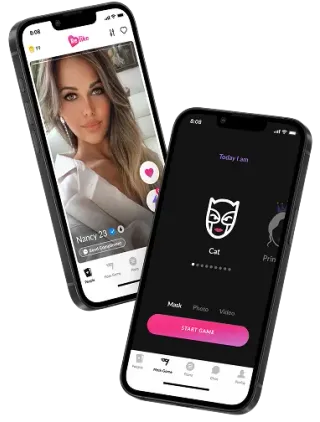
Choose one next step that you would genuinely like to take. Contact a group, book a suitable course or join Relike with a profile that makes your intentions clear. The point is to create a welcome chance to interact, not to turn every Milan evening into a search operation.
When somebody responds with interest, continue the subject you already share and offer a manageable invitation. When the connection stays friendly, respect that outcome. A good social routine can make your life richer while dating develops separately; it does not have to justify itself through an immediate romantic result.
Frequently asked questions
Where can I meet singles in Milan outside the usual aperitivo?
Consider a genuine participation group, an appropriate creative course or a reading activity alongside explicit dating introductions. These ordinary groups are not singles-only events.
Can I join a Cuccagna group just to find dates?
Choose it because you want to contribute to the activity. Ask the organiser about joining and respect participants who only want the advertised community experience.
Are creative courses automatically suitable for English speakers?
No. Confirm the teaching language, required comprehension, level and current joining conditions for the particular course.
Is a fashionable Milan neighbourhood the best place to find a match?
A neighbourhood can help organise a journey or venue choice, but it does not predict relationship status or compatibility.
What should I include in a Milan dating profile?
Give a genuine interest, your intentions and realistic availability. Explain whether you live locally, commute or are visiting.
How can I suggest a first meeting after work?
Offer a possible day and a short public format, then agree on an area, address, spending and approximate length. Leave room for another suggestion.