Knowing where to take a date in Rome does not answer where to meet someone in the first place. A beautiful square gives you a setting, but not a reason for two strangers to talk. Look instead for a shared activity, a group that welcomes participation or a dating introduction in which both people understand the intention.
For a useful starting shortlist, investigate Biblioteche di Roma reading circles, an appropriate beginner dance course and cinema events with room for discussion. Use dating apps when you want romantic intent to be explicit. The point is to choose a way of interacting, not to label the people in a neighbourhood as available.
Start with the kind of Rome connection you can actually sustain
A resident with a free evening each week can build a different routine from somebody leaving on Sunday. Decide what you can offer before selecting a group or making an invitation. Are you hoping to date locally over time, meet someone during a short stay or simply widen a social circle? These aims can overlap, but they should not be left for the other person to guess.
Choose your first step accordingly. A recurring course can suit someone able to return; a clearly advertised one-off event may fit a visitor. For a direct romantic introduction, describe your circumstances on a profile. A useful Rome plan starts with honest availability rather than a claim that the right bar, neighbourhood or opening line will make the decision for you.
Use a reading circle when you want a reason to speak again
The Biblioteche di Roma reading-circle directory identifies groups and their reference libraries. It gives you a concrete route to investigate rather than telling you to wander into any reading room. Ask the chosen library about its current book, meeting arrangements and intended audience before attending.
Prepare one observation about the reading and one question you would enjoy hearing other people answer. That is enough to join a discussion without trying to impress the room. When somebody makes an interesting point, respond to it rather than immediately switching to personal questions. You can remember that conversation at another meeting if you both return.
The value is the shared subject and the possibility of continuity. It is not a list of singles. Stay attentive to the whole group, and let any private invitation develop separately from participation. For someone who likes books, an enjoyable discussion is a good reason to go even if no romantic connection follows.
A beginner dance class offers interaction, not automatic chemistry
If movement appeals more than a book discussion, investigate an actual beginner programme. Swing & Soda lists different class levels and solo formats in Rome. The relevant questions are practical: which current course suits your experience, where it takes place, whether you need a partner and what joining involves. Ask rather than assuming every course works as an informal drop-in.
In a lesson, introduce yourself as a learner. You can ask how someone found the rhythm or whether they have tried the dance before. Follow the teacher's approach to pairing, rotation and breaks. Dancing together is part of the activity; it does not communicate romantic consent, and you should not interpret physical proximity as a private invitation.
A course becomes socially useful when you enjoy practising and can return. Pick a location whose journey you can repeat on an ordinary working day. Do not enrol mainly to collect contacts: a classmate should be able to keep learning comfortably even if they decline a conversation outside the lesson.
Look for a cinema conversation, not a dark room full of prospects
Casa del Cinema's visitor information explains its location and original-language screening policy, with exceptions announced in the programme. Original language does not necessarily mean English: read the individual film information. A screening gives you a subject, while an advertised introduction or discussion may provide a more natural participatory element.
If you already know someone who enjoys the same film, propose going together and leave time to talk separately. If you are attending alone, do not expect an audience member concentrating on the film to provide an introduction. Use a public discussion when one is offered, or enjoy the screening for its own sake.
A simple question about a director or a scene can start a welcome exchange after an appropriate event. It should remain an invitation to converse, not a demand for private details. Check the current programme rather than treating a past festival appearance or a summer outdoor listing as a standing weekly social.
Give Monti, Testaccio and Prati different jobs in your search
Use neighbourhoods to organise time and travel, not to predict personality. Monti might be a convenient place to meet after an introduction; Testaccio may fit an activity you genuinely want to attend; Prati may work because of an ordinary commute. None of these choices tells you who is single, speaks English or wants a relationship.
The official Trastevere and Testaccio district guide can help orient your research, but a district overview is not an events calendar. Move from the broad area to a real organiser, session or venue. Then check the actual start and finish against both people's journeys.
This is especially useful when your week is already full. A participatory activity you can reach and enjoy regularly may be more productive for a social life than a celebrated district you visit once in search of a result. Choose a reason to return, not just somewhere to stand.
Make an English-language introduction specific without making assumptions
An English search can help you research Rome, but it does not establish the language of every group or person. For an organised activity, ask what comprehension is needed. For a dating conversation, simply ask which language feels comfortable. A person's name, employer or nationality should not have to answer for them.
Try an opener grounded in what somebody shared: you noticed their interest in film and wonder which kind they enjoy watching with other people. Offer a preference of your own so the reply does not have to carry the whole exchange. A neighbourhood question can come later, once planning a meeting is relevant.
Avoid asking a new contact to design your entire Rome visit. Curiosity about their interests is different from recruiting a private guide. Being new to the city is fine; making another person's time and knowledge the premise of your introduction is less considerate than bringing something of your own to the conversation.
Turn a mutual exchange into one manageable invitation
After conversation becomes reciprocal, suggest a modest next step. For example, ask whether a short coffee on another day would appeal, then choose an area convenient to both of you. Do not attach dinner, a long walk and a late evening to what was presented as a brief introduction.
The Rome dating page helps connect your conversation with local planning. Use a precise public address and agree on timing, spending and the expected length. A famous place can still have several entrances or meeting points, so confirm what you mean before either person travels.
When you need help with the wording, read the dating communication guide and adapt the principle to your actual exchange. One clear invitation is more useful than a sequence of hints that leaves somebody unsure whether you are asking for a date or organising a group outing.
Build a Rome routine without turning every evening into a test
A workable first week could involve researching two programmes, contacting one organiser and attending the activity that genuinely fits. On a different day, give a dating conversation your attention and offer a clear invitation if interest is mutual. This is an example of organising your time, not a schedule that any Rome venue promises to run.
Afterwards, evaluate the format. Did you enjoy contributing? Could you hear and follow the conversation? Would you go again without a romantic outcome? These questions tell you more about a sustainable social routine than the number of phone numbers you collected. Change an unsuitable activity rather than deciding that one evening represents the whole city.
If a welcome connection develops, follow up on something you actually discussed. If it remains friendly, let that be enough. You can expand your circle and pursue dating in parallel without requiring a reading group, dance school or film audience to deliver a relationship.
Ask a friend for an introduction without turning them into a matchmaker
If you already know people in Rome, a small shared outing can be another route into a new circle. Tell your friend what kind of activity you enjoy and ask whether you would be welcome at a suitable gathering. That is more considerate than asking them to identify every single person they know or organise a surprise date without anyone's agreement.
At the gathering, speak with the group rather than focusing on one person as soon as you arrive. Ask about an interest, listen and offer something of your own. If you would like to continue a particular conversation, invite that person directly when there is a natural opportunity to decline. Your friend can provide context, but should not have to negotiate a yes. A connection that begins through friends still belongs to the two people deciding whether to pursue it.
Choose the next introduction, not the perfect Roman backdrop
Use the Rome singles page when a dating-focused introduction is what you want. Choose one participatory route alongside it if you would enjoy that activity anyway. Your task is to make conversation possible and welcome, not to manufacture attraction through an impressive setting.
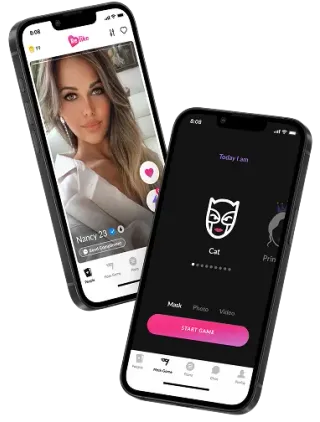
Create a Relike profile with genuine interests, realistic availability and a clear sense of what you are looking for. Then let another person's response guide the next step. A repeatable connection begins with the people involved, not with having completed every suggested night out in Rome.
Frequently asked questions
Where can I meet singles in Rome without relying on bars?
Combine dating-focused introductions with interests you enjoy, such as an appropriate reading circle or beginner dance course. Ordinary participants are not necessarily single.
Are Rome library reading groups dating events?
No. They are organised around reading and discussion. Ask the reference library about its current group and join because the activity interests you.
Do beginner swing classes require a partner?
Requirements vary by course and format. Ask the school about the exact class, level, venue and joining conditions rather than assuming.
Does original-language cinema mean English cinema?
No. The film may have another original language. Read the individual screening information and any subtitle details.
Which Rome neighbourhood is best for meeting someone?
Choose around a suitable activity and practical journeys. A neighbourhood does not establish relationship status, language or compatibility.
How should a short-term visitor approach dating in Rome?
Mention the length of your stay before making plans that suggest ongoing local availability. Ask what the other person wants and keep an initial meeting manageable.