Venice makes it easy to imagine a date and harder to explain how you would meet someone before it. A canal-side table is a setting, not an introduction. Look for a reason to participate, a conversation that is welcome and enough honesty about your circumstances for another person to decide what they want.
A practical starting shortlist is the reading-group information at Querini Stampalia, the current Ateneo Veneto programme and a dating-focused introduction with clear local or travel plans. Keep prospective future programmes separate from events you can attend now. The city is more than a temporary romantic backdrop, and the people you meet have lives that do not revolve around your itinerary.
Decide what Venice means in your actual weekly life
A profile that says Venice might belong to someone based in the historic city, on another island or on the mainland. Those circumstances affect a simple evening invitation. Ask about a broad convenient area when planning becomes relevant; do not request a home address or assume that everybody can walk back from the same event.
Your own circumstances matter too. If you live nearby, a recurring activity may give you continuity. If you are visiting, a current one-off event can be a more realistic commitment than joining a group you cannot return to. Explain a known departure before suggesting a connection that sounds ongoing.
This is not a reason to avoid meeting people during a short stay. It is a way to make the introduction honest. Somebody may welcome a brief encounter, want to take things slowly or prefer a local relationship. Let the conversation establish that instead of expecting the setting to supply a shared intention.
Join a discussion at Querini Stampalia rather than interrupting study
The Querini Stampalia library information distinguishes library access from reading-group participation and names groups including Di libro in libro and Scompaginati. Contact the library about the current reading, meeting date, language and joining arrangements. A library card and an interest in books do not tell you everything about a particular discussion.
Prepare a point you would enjoy hearing other readers respond to. You can ask why a character's decision changed someone's interpretation or which part of the book stayed with them. Share an answer of your own and leave space for the group. You are contributing to a discussion, not auditioning for the person beside you.
Reading rooms deserve a different approach. Someone who has come to concentrate is not participating in an open social gathering merely because you share a table. Use the advertised discussion or another suitable event for introductions, and keep romantic interest separate from access to the library's ordinary services.
Follow Ateneo Veneto by subject and format
The Ateneo Veneto programme provides another concrete route into cultural life, with book-related and other public events. Choose a subject you genuinely want to hear about and read the individual entry for the room, language and access conditions. A programme page is more useful than a general claim that any famous Venetian institution is a social venue.
A public talk may mostly involve listening. If there is an appropriate question period or conversation afterwards, begin with the subject rather than asking a stranger whether they are available for a date. You could ask what interested them in the topic and offer the reason you attended. A short, welcome exchange is enough for a first encounter.
If you would find a lecture frustrating without extended interaction, look for a participatory format instead. The aim is not to sit through something you dislike in the hope of meeting someone at the door. Choosing an event you value gives you a worthwhile evening even if the only conversation is about the presentation.
Treat Ocean Space as a programme to recheck, not an outing available today
The Ocean Space operator page, checked in October 2026, states that the venue is temporarily closed and reopens in April 2027. Its past activities show the sort of art and environmental participation you can investigate in a future programme. They should not be presented as sessions you can join this week.
When a new programme appears, read the actual audience, language, registration and date. A workshop for families, an artist's event and an activity intended for adult participants are different options. Choose the one whose work interests you and whose conditions you meet, rather than treating an attractive photograph of a group as a standing invitation.
This is a useful habit for the rest of your Venice research too. Search results can surface an earlier season, a finished festival or a full workshop. Follow through to the organiser's current information before planning an evening around it. A shorter accurate shortlist is more useful than a long directory of possibilities that are no longer available.
Use Cannaregio, Castello and Dorsoduro to plan, not to classify people
Neighbourhood knowledge helps with the journey, not with predicting who wants to meet you. Cannaregio, Castello, Dorsoduro and San Polo can each be a practical context for a particular event or invitation. Giudecca adds an island journey that deserves its own discussion rather than being treated as another nearby street.
The municipality's address guidance explains why the sestiere and civic number matter in the historic city: similar street names can occur in different places. Confirm the complete address and a precise public entrance rather than relying on a photograph or the words near the canal.
This avoids a surprisingly unhelpful kind of local expertise: confidently naming a district while leaving the other person unsure where to go. You do not need to design a grand route through several sestieri. A single agreed address, an appropriate activity and a realistic return plan are enough for an introduction.
If you arrive first, send a simple confirmation of where you are standing rather than a stream of directions to someone still travelling. If the place is unexpectedly busy or unavailable, agree on a nearby public alternative before moving. A last-minute change should be something you choose together, not a test of how quickly the other person can follow you.
Let the date fit the journey instead of stretching it across the lagoon
A meeting that looks short on a map can still involve walking, bridges, waiting or a waterbus connection. Discuss the actual route and what length of outing suits both people. Nobody should discover halfway through an introduction that an optional extension has become necessary just to get home.
Check the operator's current transport information for the journey you choose, including the return, rather than relying on an old timetable screenshot. Do not build a first meeting around catching one final connection with no room to adjust. If the plan becomes awkward, choose another area or another day together.
The Venice dating page can help you move from conversation to local planning. A public venue where you can both arrive independently is a useful starting point. Keep a boat trip or a multi-stop evening as a separate decision once you know whether you both want to spend more time together.
Make online dating clearer than a holiday caption
Use the Venice singles page for an introduction in which dating is the purpose. Give someone an interest they can respond to, not just a scenic image. Explain whether you are based locally, visiting for a defined period or regularly travelling between different places.
A first message might ask about an interest the other person chose to mention and say something about your own. It does not need a gondola reference to feel local. If the conversation becomes mutual, ask about a manageable time and area instead of immediately proposing an itinerary built around your favourite photograph.
Ask which language is comfortable when it matters. English research, an international event description and a person's appearance cannot determine that preference. Clarity about language and intentions is not a formal interview; it helps both people take part without guessing what the other has already assumed.
Keep a promising conversation separate from access to a group
An event contact list, a shared group channel or a participant's public contribution is not blanket permission for private dating messages. If you enjoy talking to someone, ask whether they would like to exchange details. Choose a moment when they can easily decline, and do not ask an organiser to intervene on your behalf.
For a follow-up, refer to what you actually discussed. You might say that you enjoyed the different view they brought to the book and ask whether another conversation would appeal. The dating communication guide can help with clear wording, but the invitation still needs mutual interest rather than a clever formula.
A friendly answer may remain friendly. Let somebody continue enjoying the event or group without having to manage repeated requests. That is particularly important when you hope to return: building a social routine means making participation comfortable for other people as well as for yourself.
Try one useful Venetian introduction before collecting more recommendations
For a first attempt, choose a current programme, check its joining details and go because the subject appeals to you. Afterwards, ask whether you could contribute and whether you would attend again. If the format was wrong, adjust it; if it was enjoyable but did not produce a date, it may still have been a good choice.
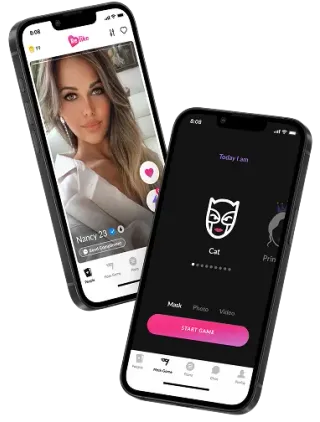
When a direct romantic introduction is what you want, join Relike with honest availability and an interest you can talk about. You can pursue dating without asking every cultural event or neighbourhood gathering to become a singles night.
Let the next plan follow the person you meet. A modest conversation in a place that works for both of you is more meaningful than completing a romantic Venice checklist with somebody whose intentions you have never asked about. The city's setting can add to a connection, but it cannot decide the connection for you.
Frequently asked questions
Where can I meet singles in Venice beyond bars and sightseeing?
Investigate suitable reading groups and cultural programmes alongside dating-focused introductions. Ordinary attendees are not necessarily single or interested in a date.
Can I meet people by approaching readers in a library?
Use an advertised discussion or social activity instead of interrupting study. Querini Stampalia provides reading-group information separately from ordinary library access.
Is Ocean Space open now?
The operator information checked in October 2026 states a temporary closure and reopening in April 2027. Recheck the current programme before planning a visit.
Does an English webpage mean a Venice event is in English?
No. Read the individual event information or ask the organiser about its actual language and the comprehension needed.
What address details matter for a Venice meeting?
Confirm the sestiere, civic number and public entrance. Similar street names can occur in different parts of the historic city.
How should I plan a first date involving a waterbus?
Check current outward and return journeys, agree on the walking involved and keep extensions optional. Choose a different area if the timing becomes impractical.